
When I was an undergraduate student at Iowa State University, on a whim I applied for a job as an educator for the Iowa State University Insect Zoo. To my surprise, I was hired! I immediately began learning as much as I could about the insects and arthropods I would be responsible for teaching: Giant Black African Millipedes, Madagascar Hissing Cockroaches, and Emperor Scorpions just to name a few.
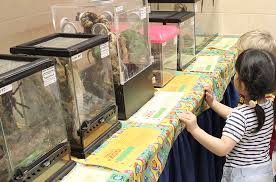
Some of these critters remained in cages as they could be dangerous, but many were handed to students to explore: tomato hornworm caterpillars, mealworms, darkling beetles, cockroaches, and millipedes. I noticed similarities in how people reacted. Usually, it was the adults who said, “Ewww! Gross! No way I’m touching that!” Sometimes it was a few students who reacted this way, but the majority of young children were open to learning about these critters. Often, teaching children about these critters and their needs before introducing them helped ignite student curiosity. Sharing what the critter ate, drank, and spent it’s time doing helped foster empathy.
As a classroom teacher, I have always had a “nontraditional” classroom pet. I do this for several reasons. First, it provides students the opportunity to learn about a creature they may never experience elsewhere. Second, it delivers the experience of setting aside our judgements and being open to exploring things that are new and different. Third, it fosters empathy and critical thinking as students learn that what society tells us to fear often isn’t scary at all.
When I taught elementary, I always had a pet snake and Madagascar Hissing Cockroaches. A few times I had Black African Millipedes. I also brought in critters to share with students before releasing them back into the wild: salamanders, garter snakes, crayfish, and painted turtles.
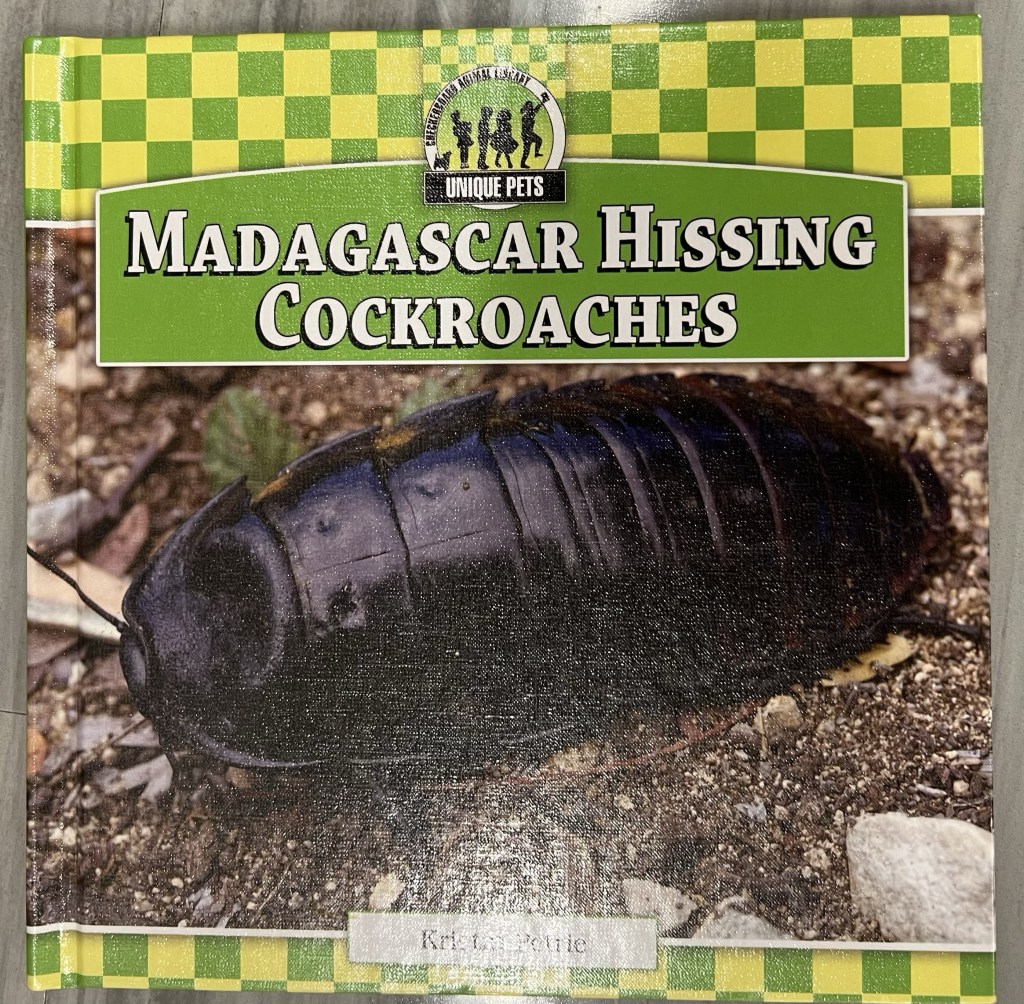
After getting approval for a Madagascar Hissing Cockroach in my preschool classroom, I first told my paras my expectations for their “best bug behavior”. Poor Lucy said, “But I don’t like bugs!” I told her that’s fine. She can dislike bugs and dislike me for having them, but she cannot let the students see that. She took some convincing, but finally understood and agreed to remain calm and neutral.
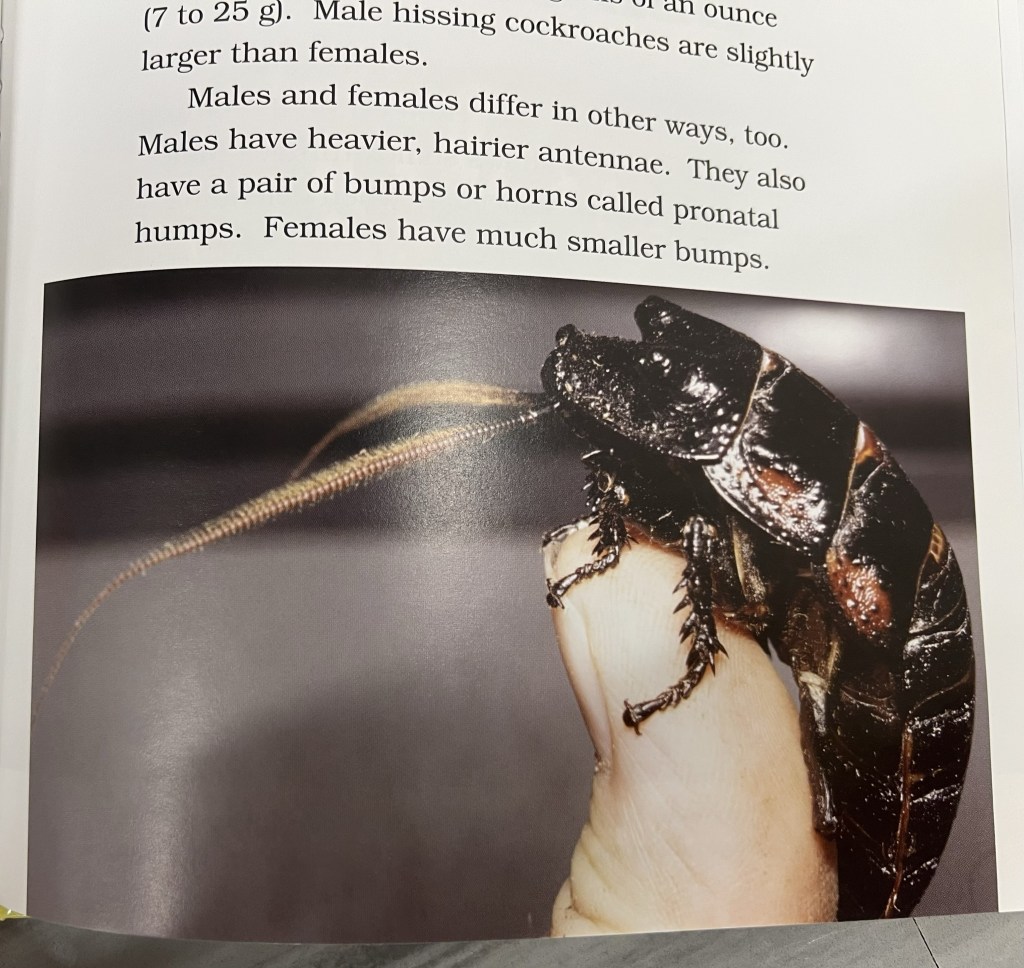
I then read to students about Madagascar Hissing Cockroaches. We discussed how their bellies inflated to create the hissing sound. We observed how their exoskeleton looked scary, but underneath that intimidating exterior, they were just like a giant ant. We talked about how they eat many of the same foods we eat. We learned how they have babies that are small and grow, just like human babies.


I then asked for suggestions for a name for our class pet. One student offered a name that everyone immediately loved: Bananas. So that is the name of our new class pet.
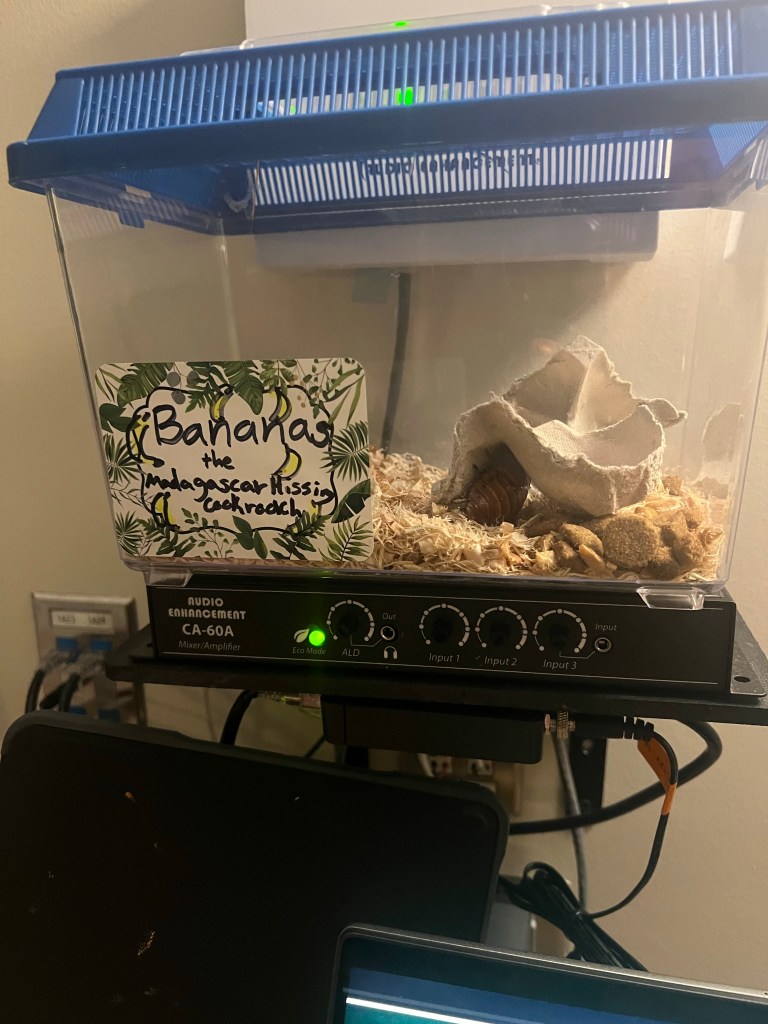
We also added a job to our classroom jobs! One student will be in charge of “pet care” each day. This means they throw away the old food in Bananas’ cage. They get a new wet cotton ball for him to drink. And they add a piece of leftover breakfast fruit to his cage each day.
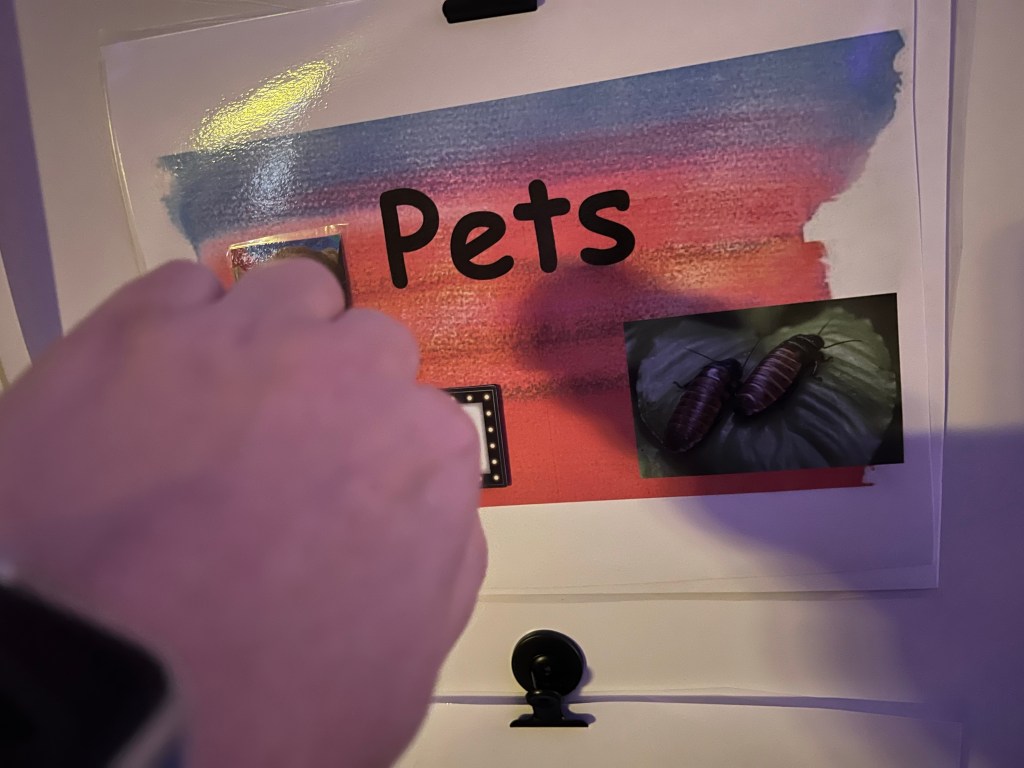
If you want an easy classroom pet that builds empathy, I highly recommend getting a Madagascar Hissing Cockroach!
 Paint and Pages
Leave a comment