When I attended the University of Northern Iowa’s Share Fair in April of 2023, I was delighted and intrigued to chat with an Iowa first grade teacher who had her students complete a “Mock Caldecott” Award. She had read her students each of the books eligible for the 2023 Caldecott Medal and they had selected their winner. When the real Caldecott Medal was announced, they watched and celebrated. It didn’t matter that their winner wasn’t the real winner; students had read twenty-some books, evaluated their illustrations, and developed an appreciation and interest in children’s literature.
I knew I wanted my students to do this someday. When Colby Sharp emailed the list for the 2024 Mock Caldecott, my excitement and joy perusing the titles was enough of a reason to make 2024 the year I lead my first Mock Caldecott. I purchased the book list, made a preschool-friendly evaluation card, asked a spreadsheet savvy colleague to help me develop a spreadsheet for scoring student ratings, and begin planning lessons for each book.
I thoroughly enjoyed preparing lessons for the Mock Caldecott. It brought me so much joy to surround myself with books and warm thoughts of the art, music, and learning I could weave within each story.
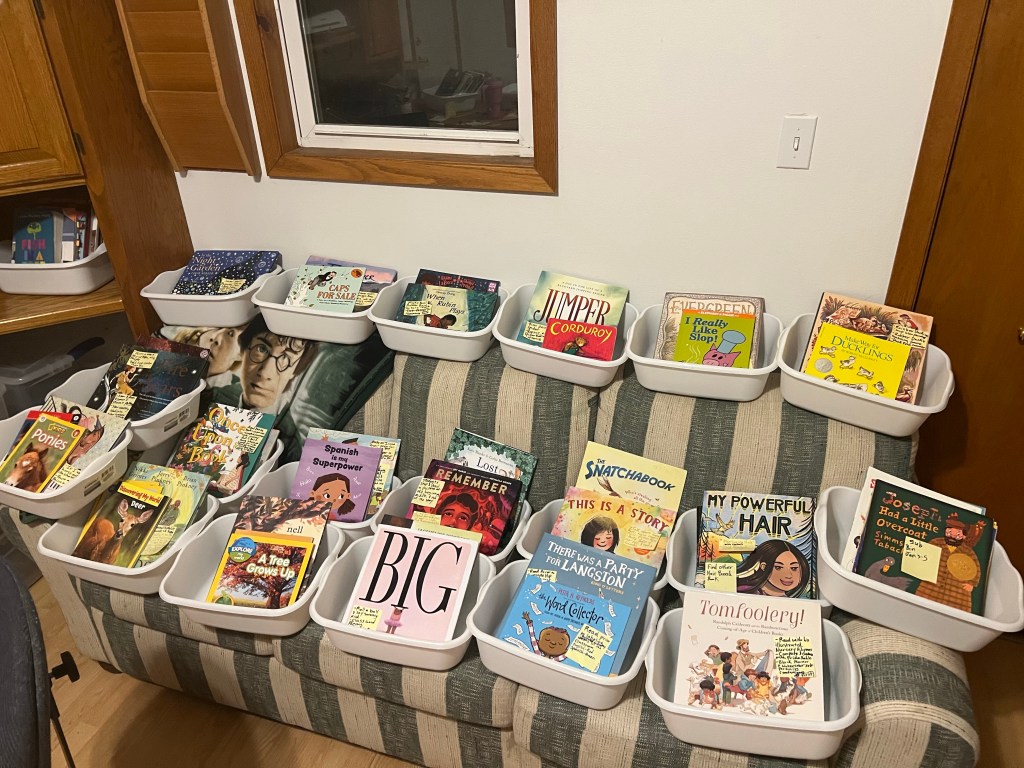
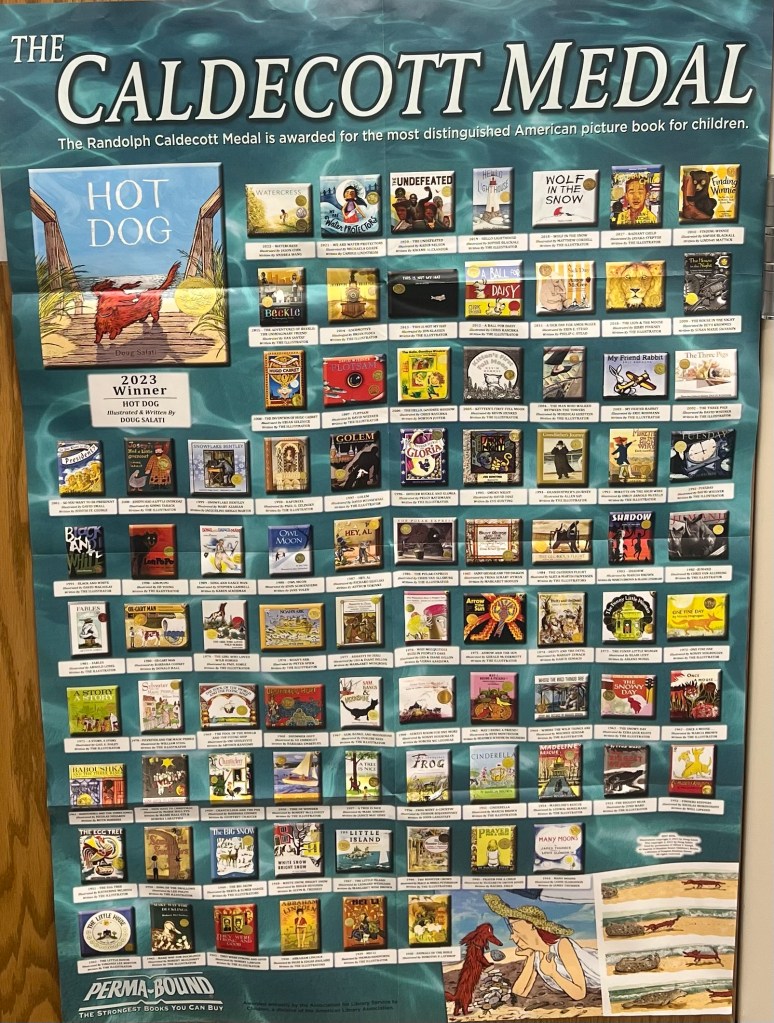
To introduce the Mock Caldecott to my students, I began by reading previous Caldecott Medal books and Caldecott Honor books. We talked about how special a book is if it has one of these awards.
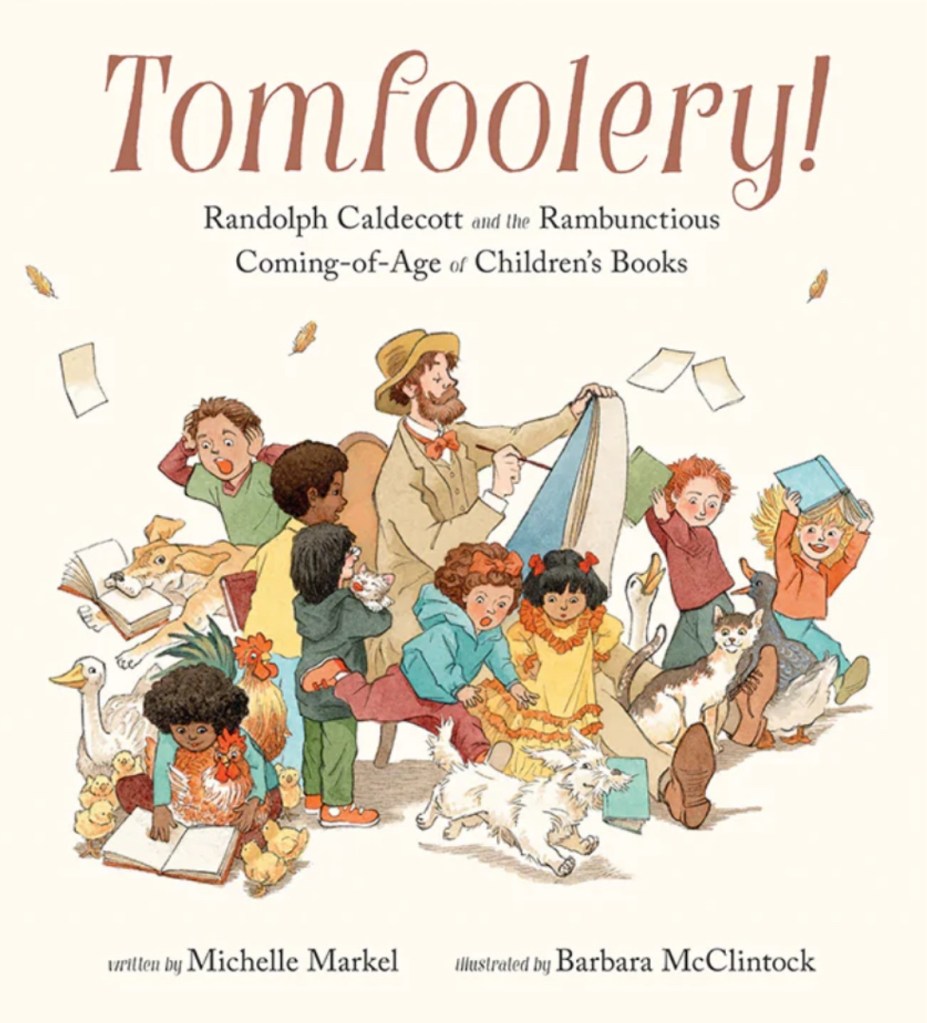
The first book we read for the Mock Caldecott, was “Tomfoolery” written by Michelle Markel and illustrated by Barbara McClintock. I picked this book to read first as it was a story about Randolph Caldecott and the beginning of illustrated children’s literature. My preschool students were not as enthusiastic about this book as their teacher. We did have a good discussion about how our world was once a world with very few illustrated children’s books.
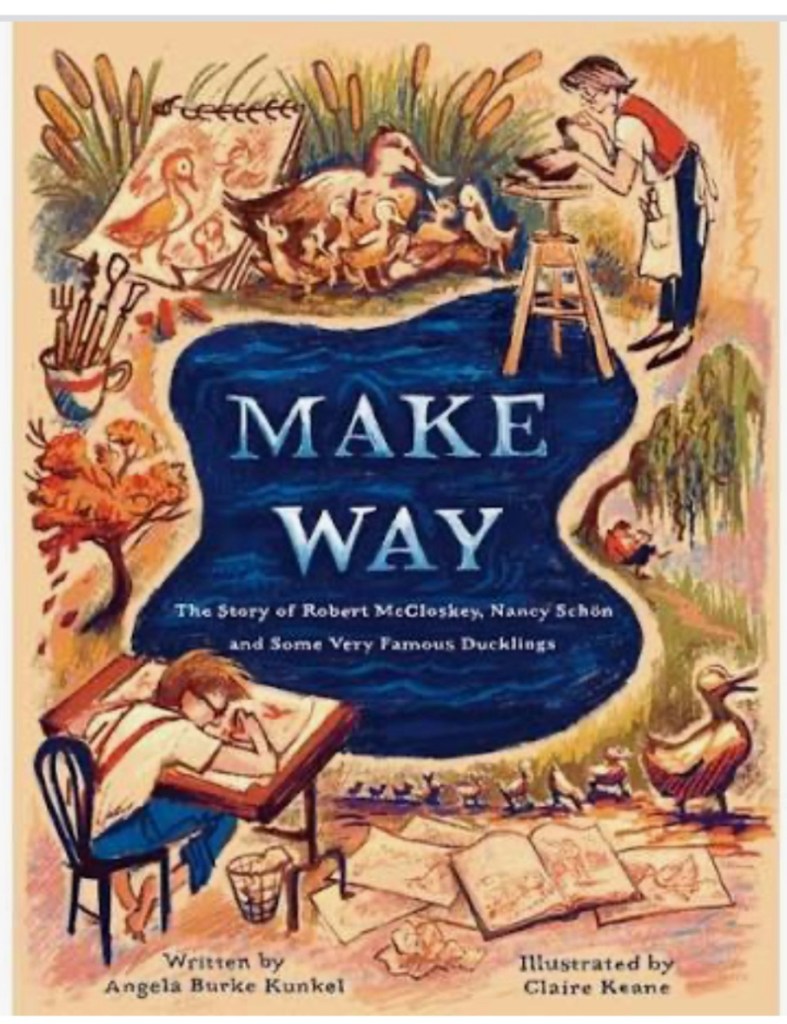
The second book we read was “Make Way: The Story Of Robert McCloskey, Nancy Schon, And Some Very Famous Ducklings” written by Angela Burke Kunkel and illustrated by Claire Keane. Students seemed to enjoy this book more than “Tomfoolery”, but they definitely enjoyed the 1941 Caldecott Medal Book “Make Way For Ducklings” more than both books.
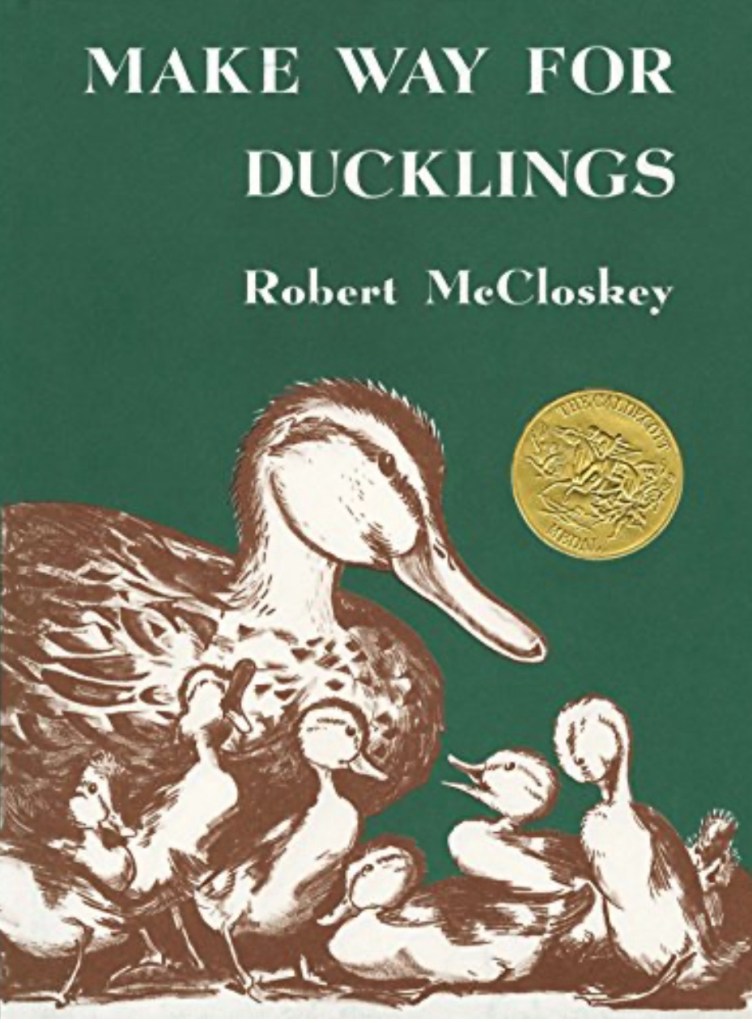
After reading both books, I modeled how to draw for students, just like the artists in “Make Way” would have done. Drawing is seeing. We draw what we see. I modeled that by drawing a duck with a sharpie and then encouraging students to do the same.
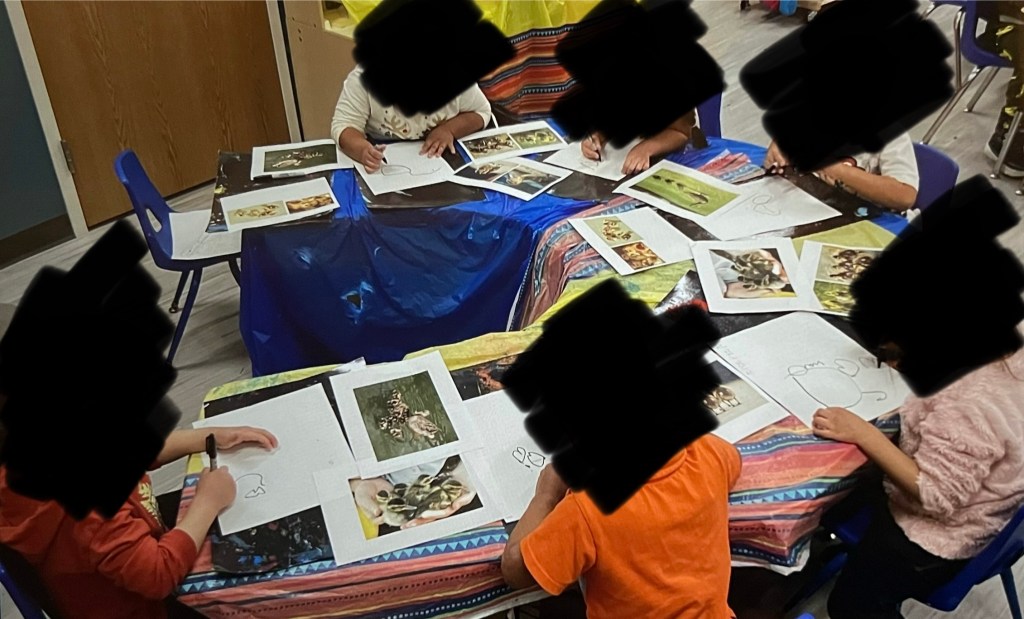
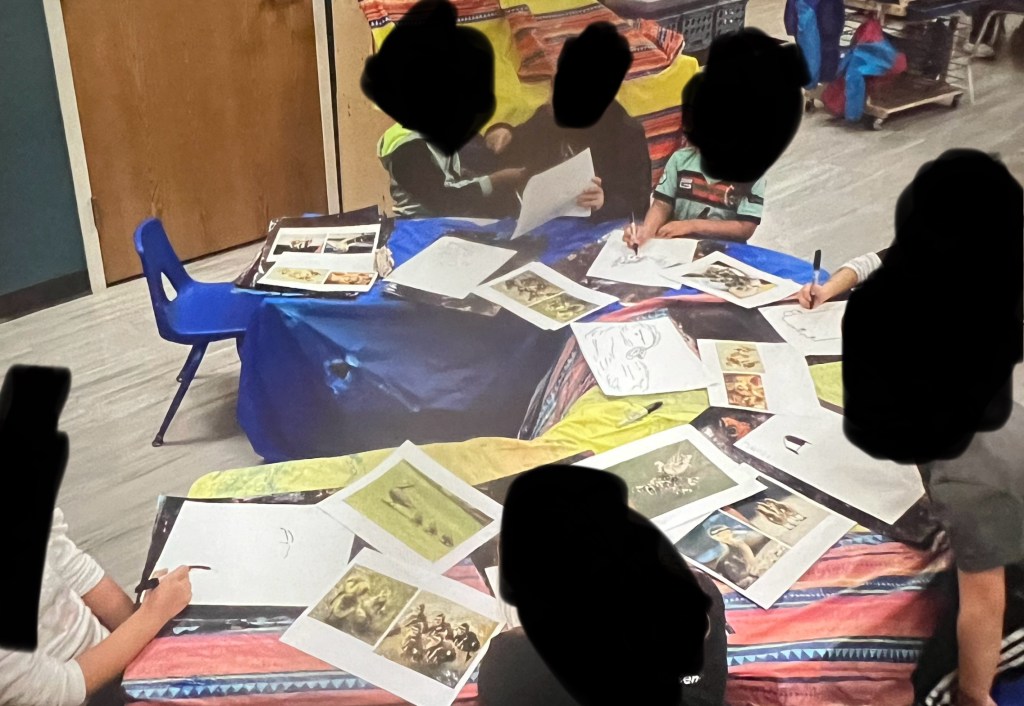
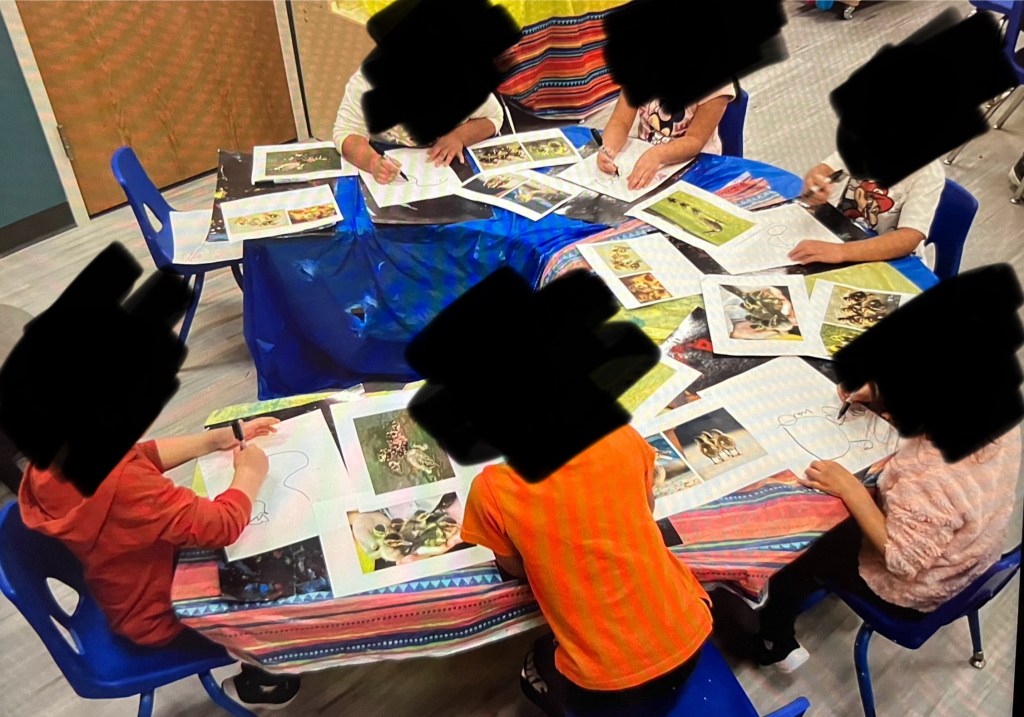
One student was frustrated that his duck didn’t look like a duck. I told him we were drawing what we see and that doesn’t always have to look exactly like what we see. He fought back some tears, but the next part of the activity quickly distracted him!
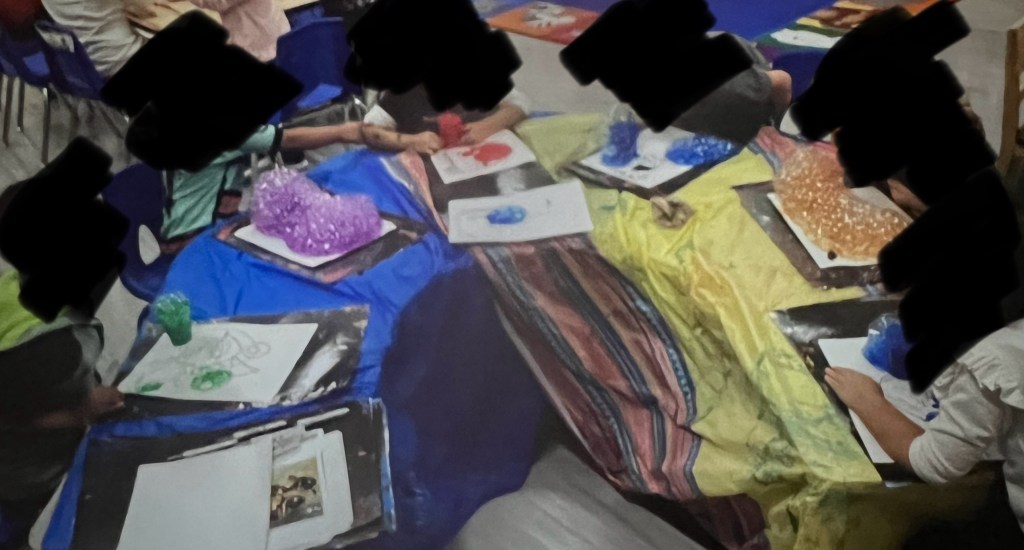
A few weeks ago, students were using their juice box straws to blow bubbles in their milk. I asked students to please stop doing this and told them I’d find a bubble blowing task of some kind they could do instead. No sooner had I wondered how bubble painting works when an old dance friend had posted some bubble painting her children had completed in social media. She told me how to do it: paint, water, and dish soap in a cup either a straw. It was a piece of cake! A messy piece of cake, but a piece of cake nonetheless.
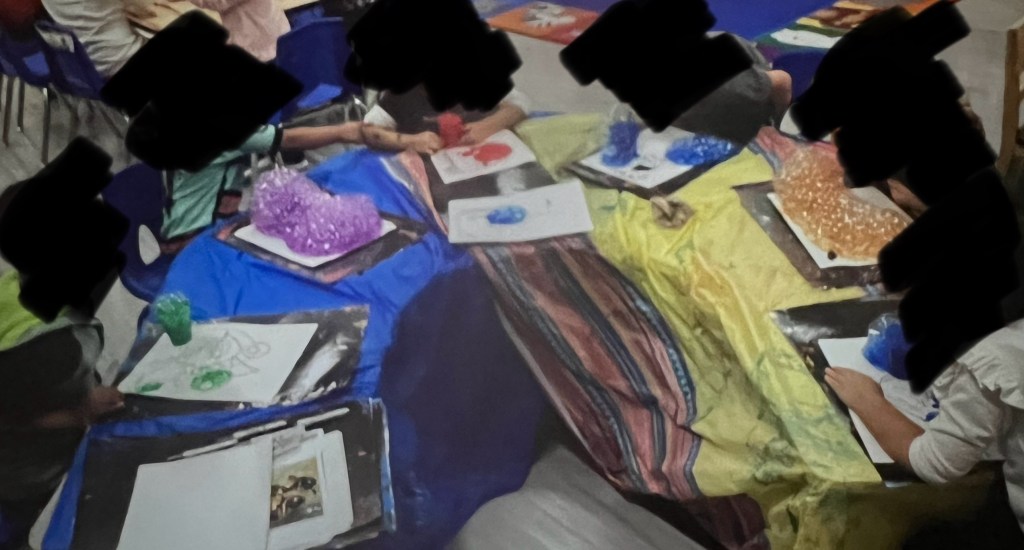
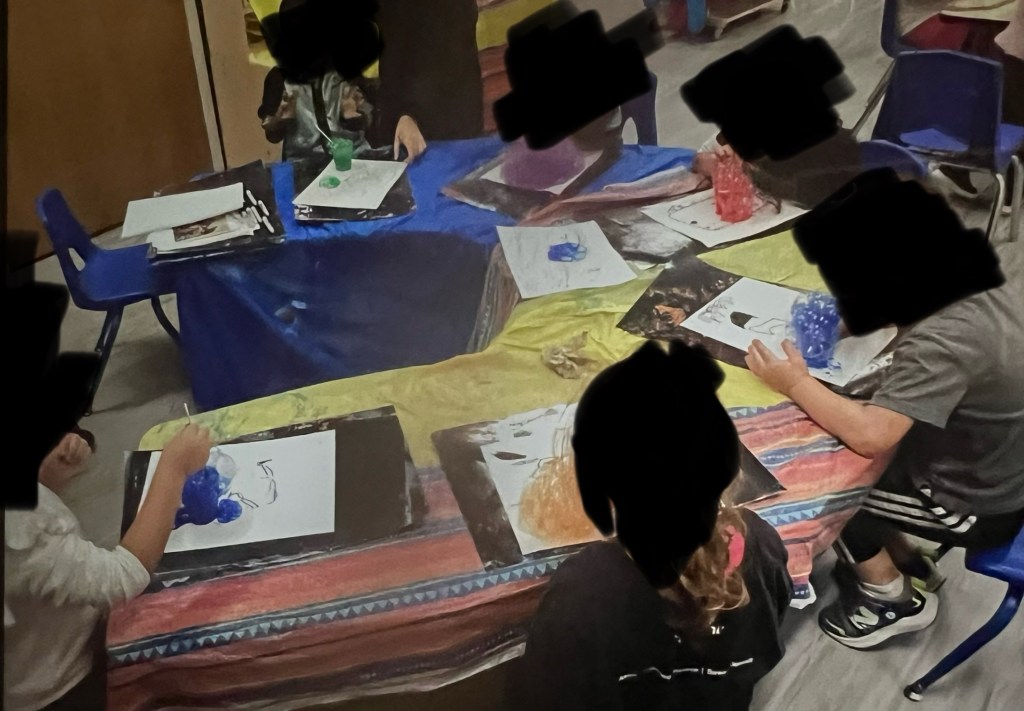
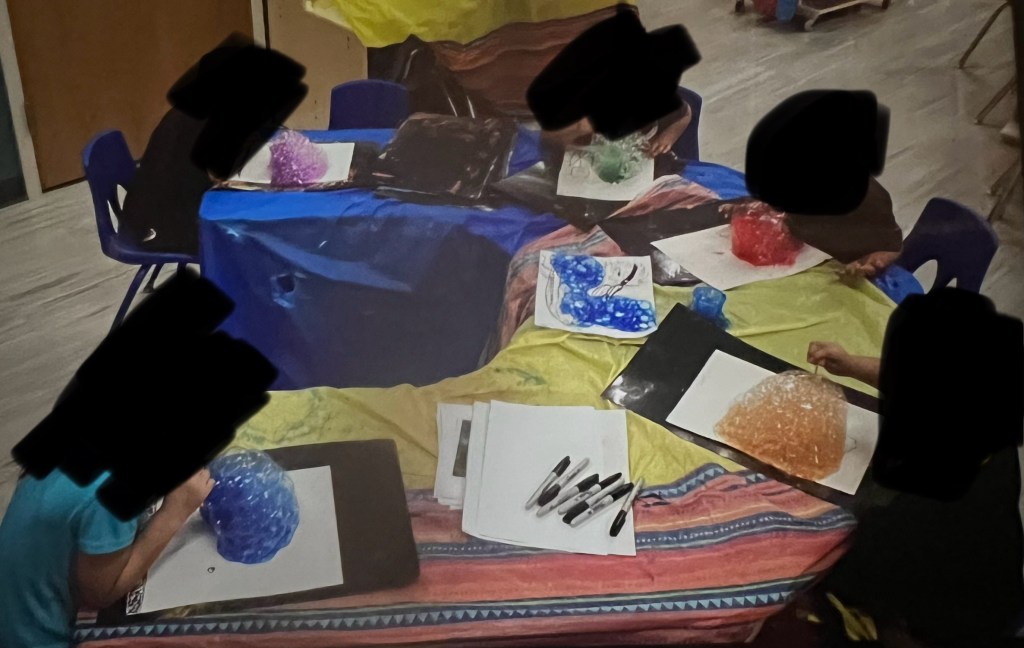
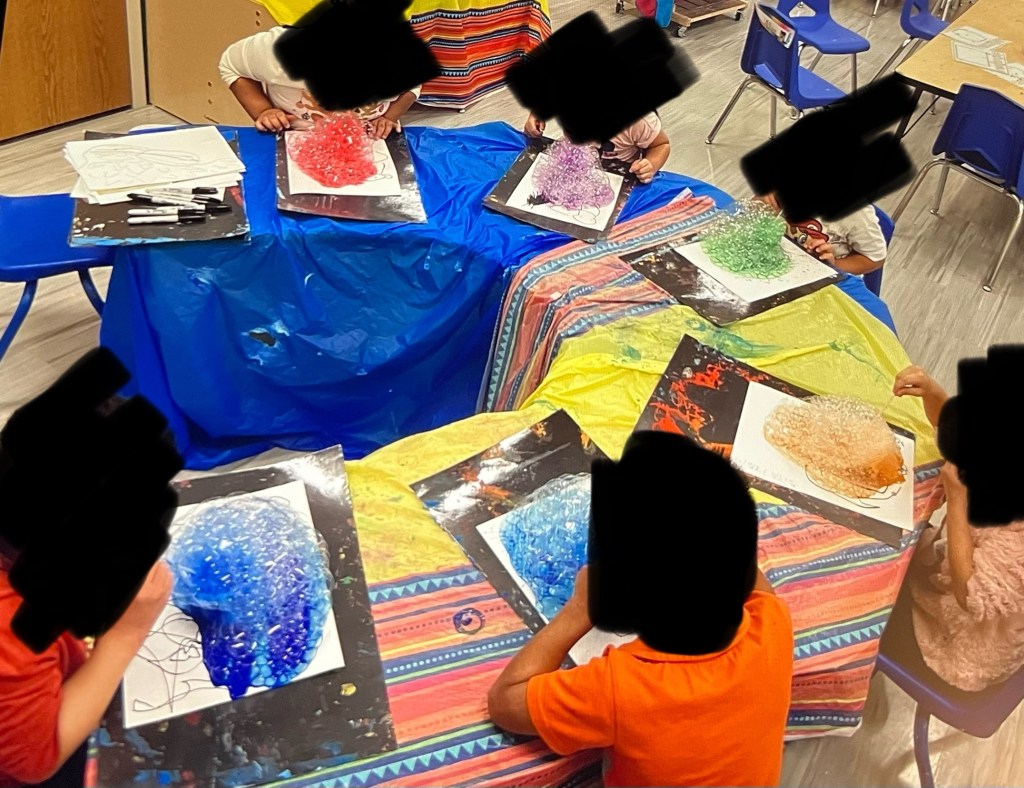
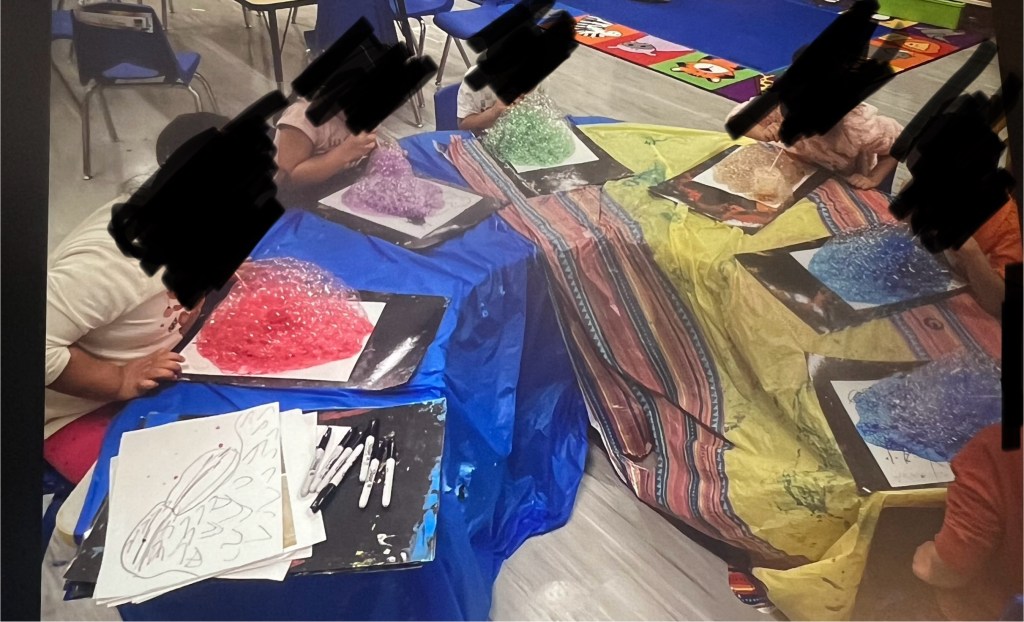
After bubble painting, we had to sing and act out “Five Little Ducks”. What a fun ducky day! I’m excited for tomorrow’s potential Caldecott.
 Paint and Pages
Leave a comment