
In December, my family and I spent two weeks in Ireland reconnecting with our roots. I loved how the sunlight in Ireland seemed softened. I rarely wore sunglasses whereas back home I wear them anytime the sun is out. I loved the shortened days and excuse to go to bed early. I loved the damp winter air that didn’t dry out my skin, lips, and airways. I loved the smell of peat burning and listening to live music by a warm fire in a pub. Winter in Ireland was a comfortable and magical experience.

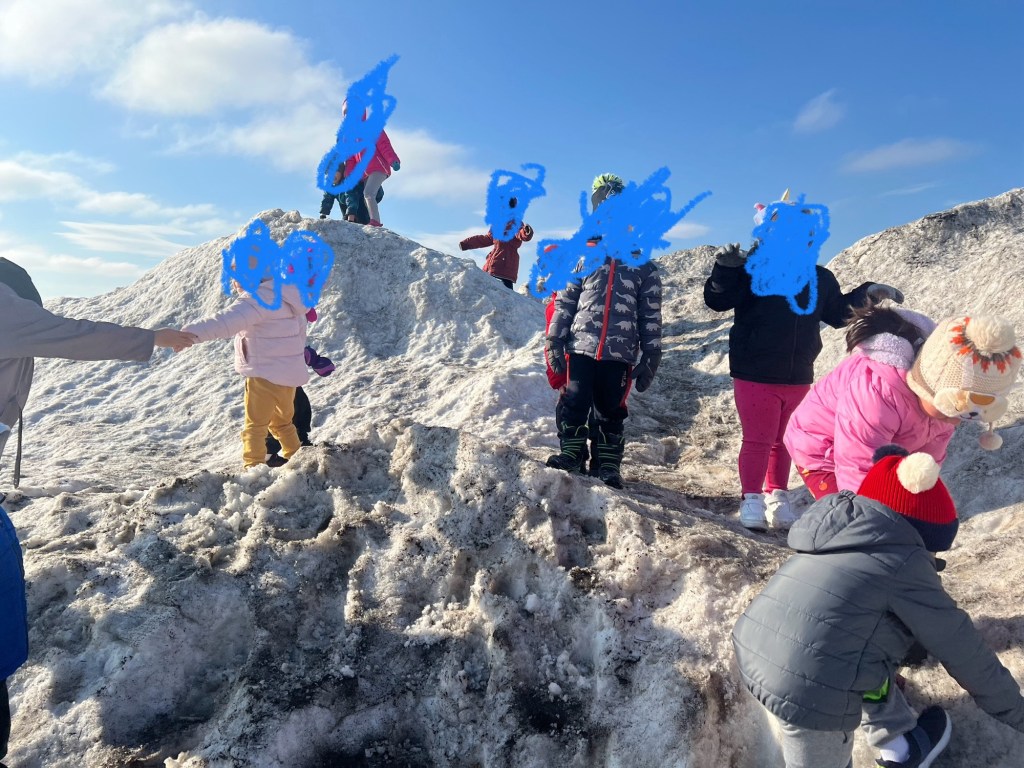
Winters in Minnesota are beautiful and extreme. An Alaskan woman I met in Dingle, Ireland told me that she knows people who have moved from Minnesota to Alaska and enjoy Alaska’s typically milder winters. In Minnesota, we often see temperatures below zero and sometimes windchills more than 50 degrees below zero. Our open and flat landscape makes for some intense blizzards when the winds catch falling or loose snow. The winter blanket of snow reflects the sunlight so brightly that I refuse to go anywhere without a pair of sunglasses. Our lakes form ice so thick that people drive their vehicles across the lakes.
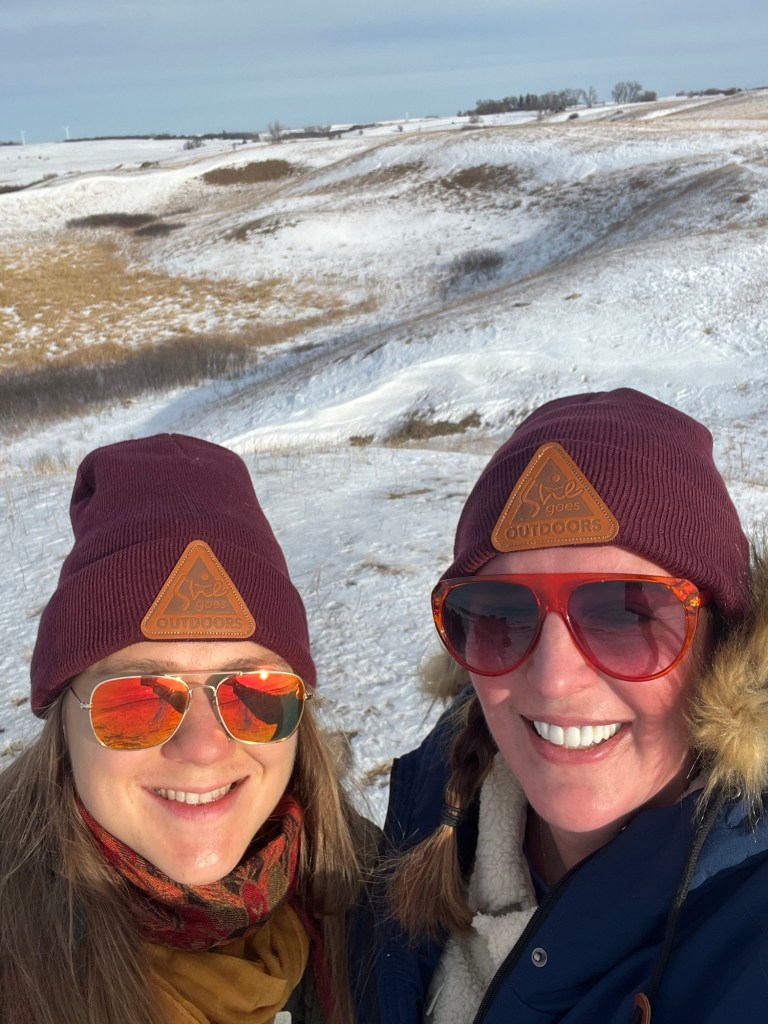
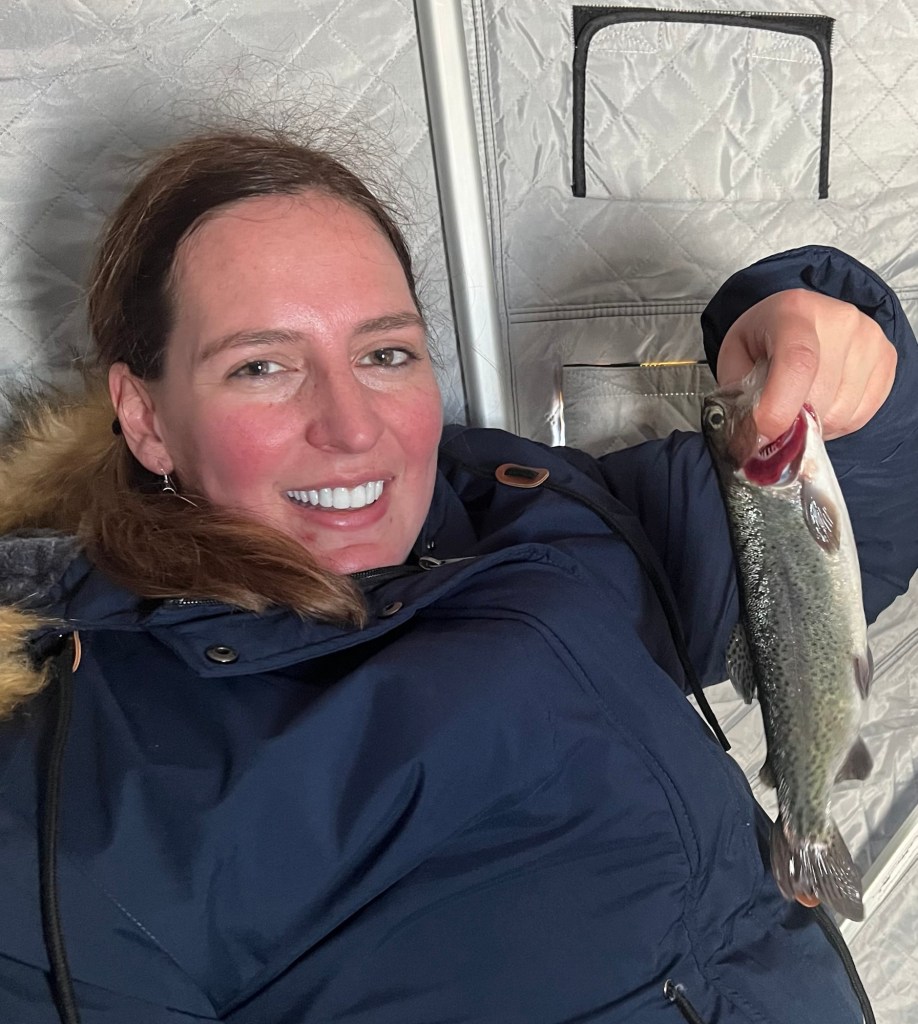
Our family loves to go ice fishing. My children play ice hockey. We love sledding and snowshoeing. I love cross-country skiing and bird watching. Our town has a celebration in one of the coldest weeks of winter where games and festivities our held. Our children love going on the lake to see the large colorful kites that are flown.
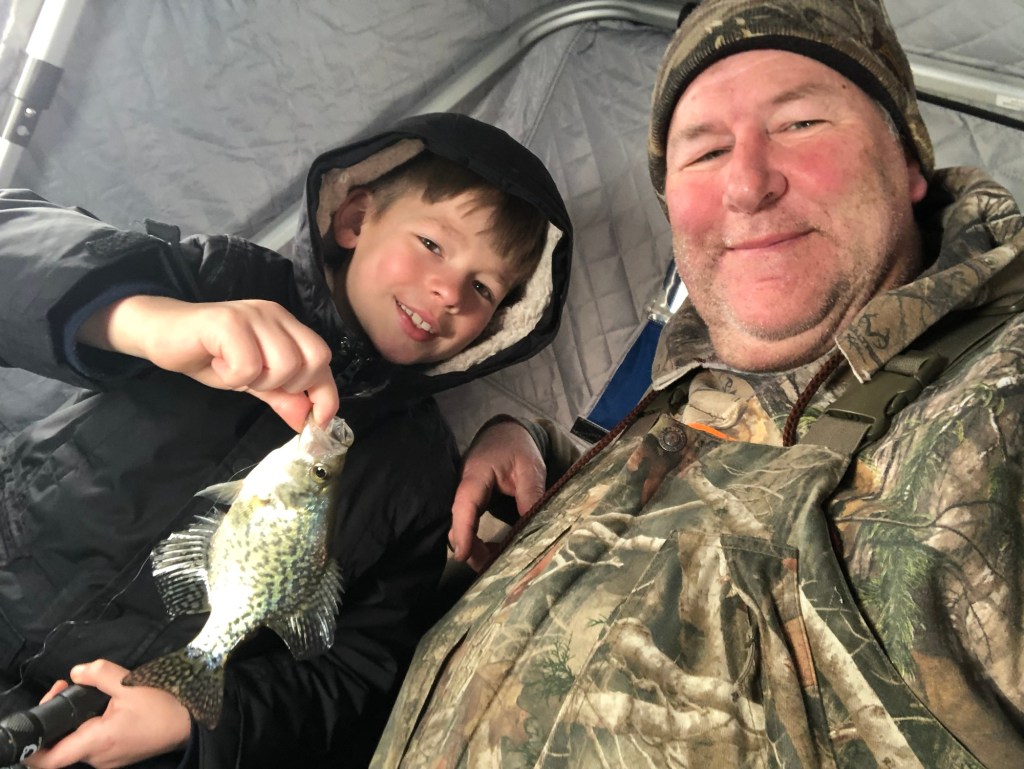
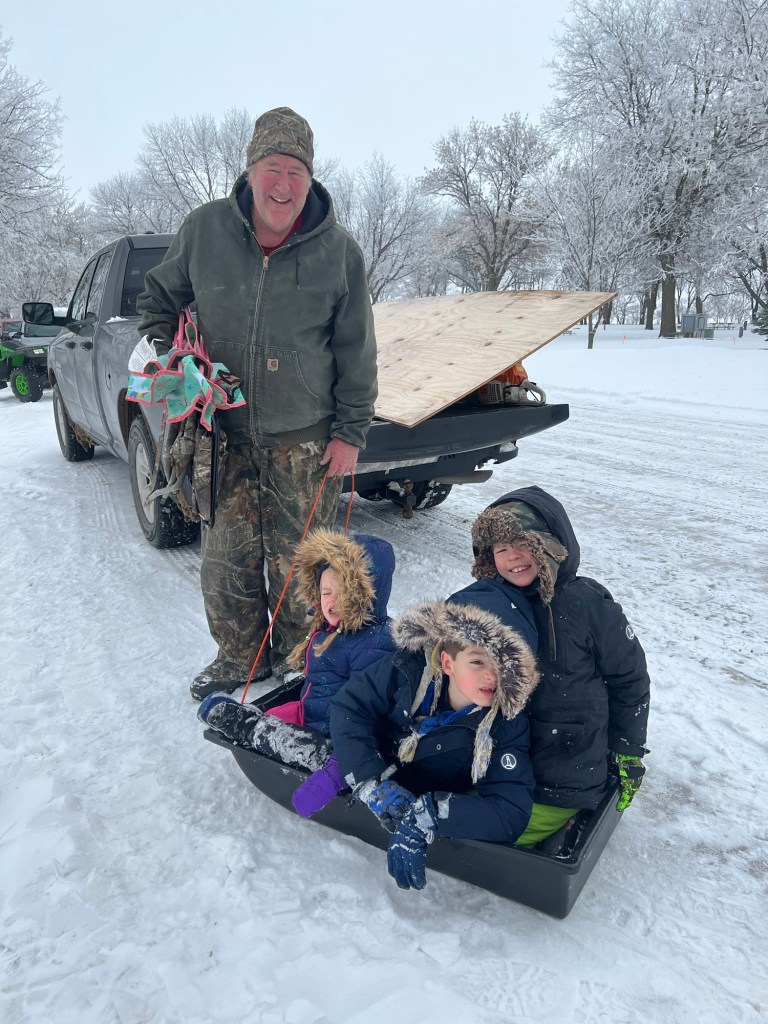
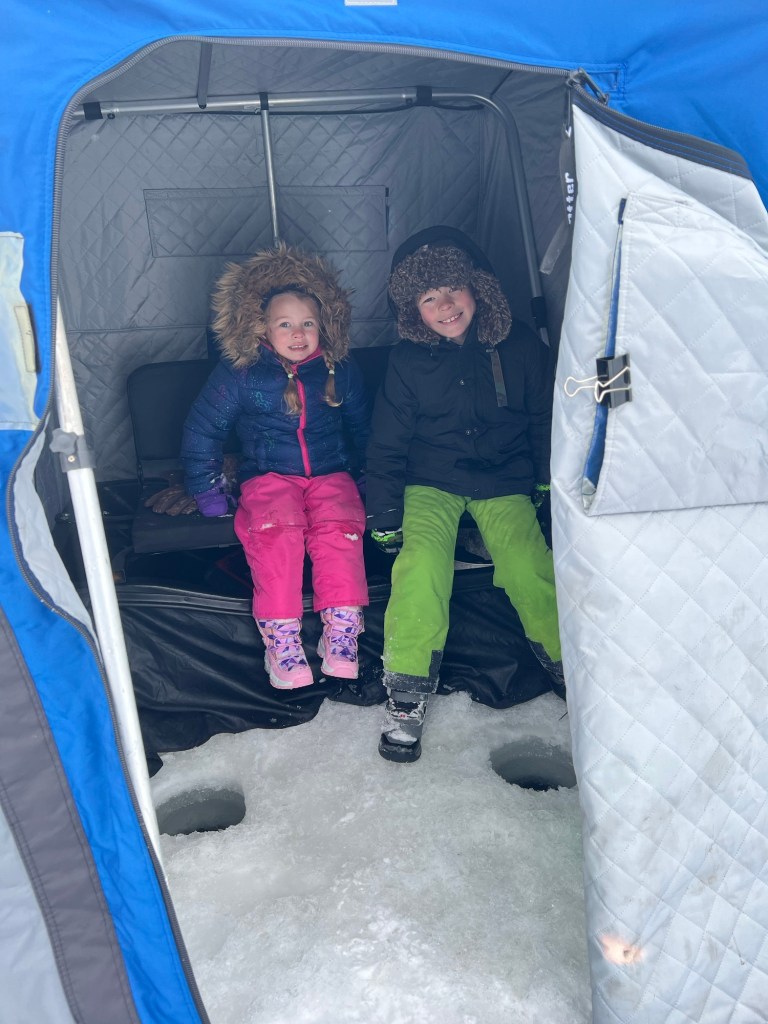
My favorite winter mornings are the ones where every branch is covered in frost. I love hearing the wind howl knowing I have permission to stay inside all day and enjoy my children, baking, and books. So many cozy winter moments.

Many of the students I teach and their families are new to the area and thus unfamiliar with such extreme winters. Often students will wear jackets better suited for spring and fall temperatures instead of the heavy coats and snow pants our Minnesota winters require. The thin knit gloves may be worn because they’re the most affordable or it may be because families do not realize what little protection they offer against extreme cold. My coworker had a student who came in snow pants without wearing regular pants underneath. Adapting to the culture of extreme winter weather is something I’d never considered before this year.
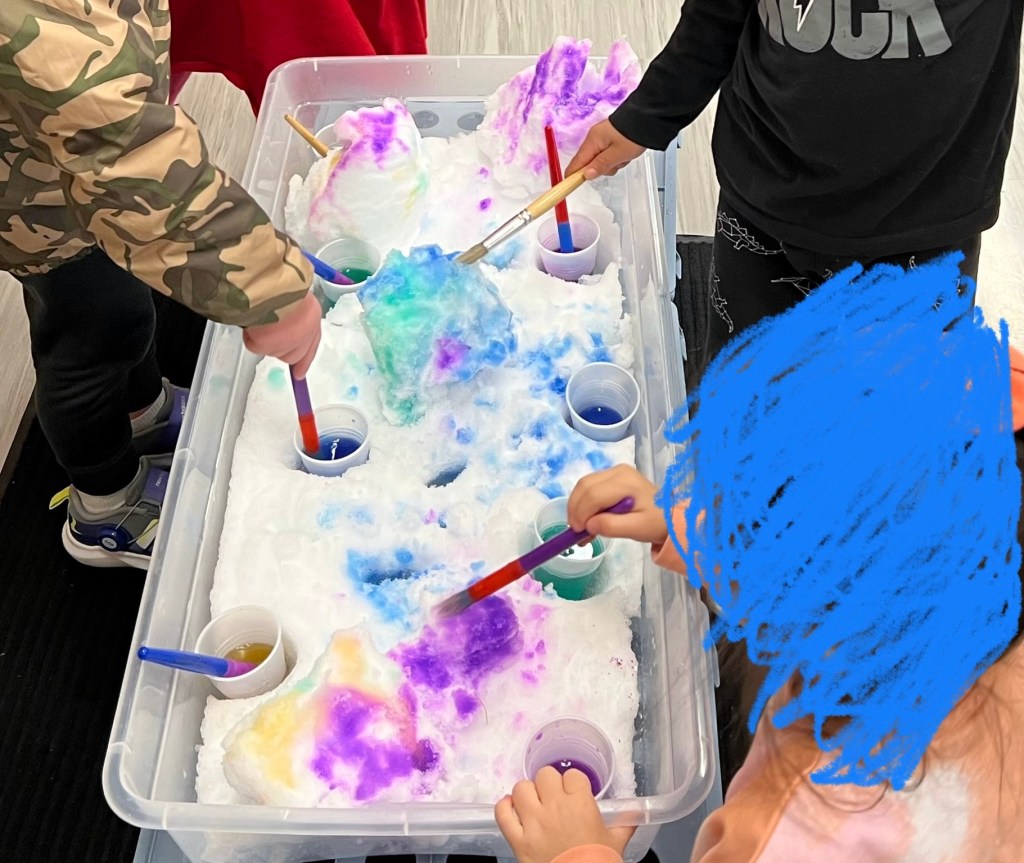
So, I decided to incorporate all things winter into our preschool curriculum.
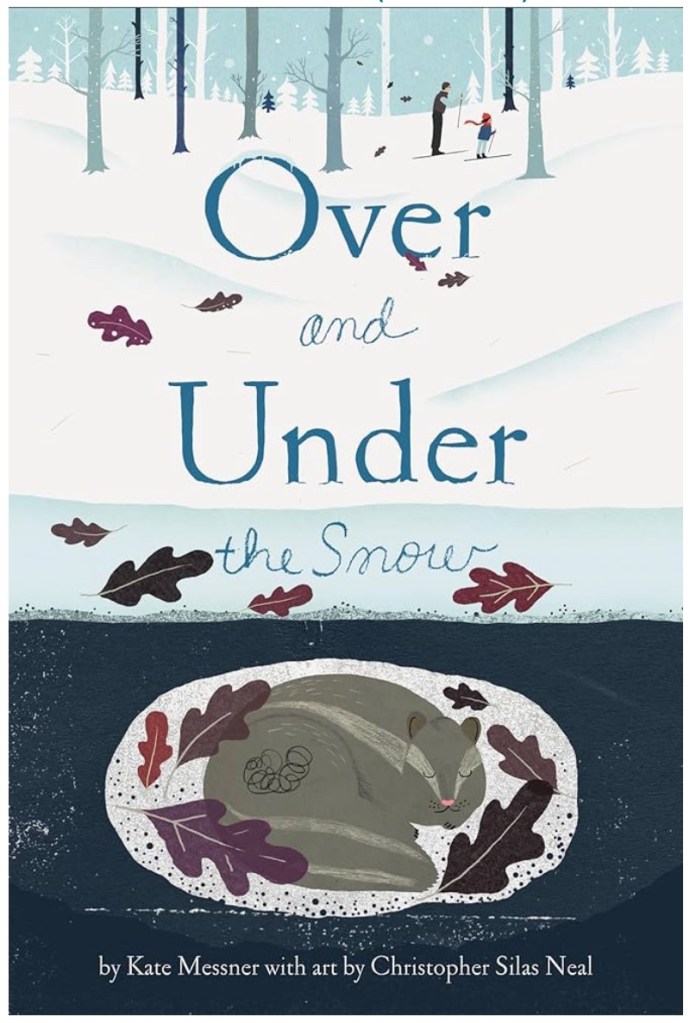
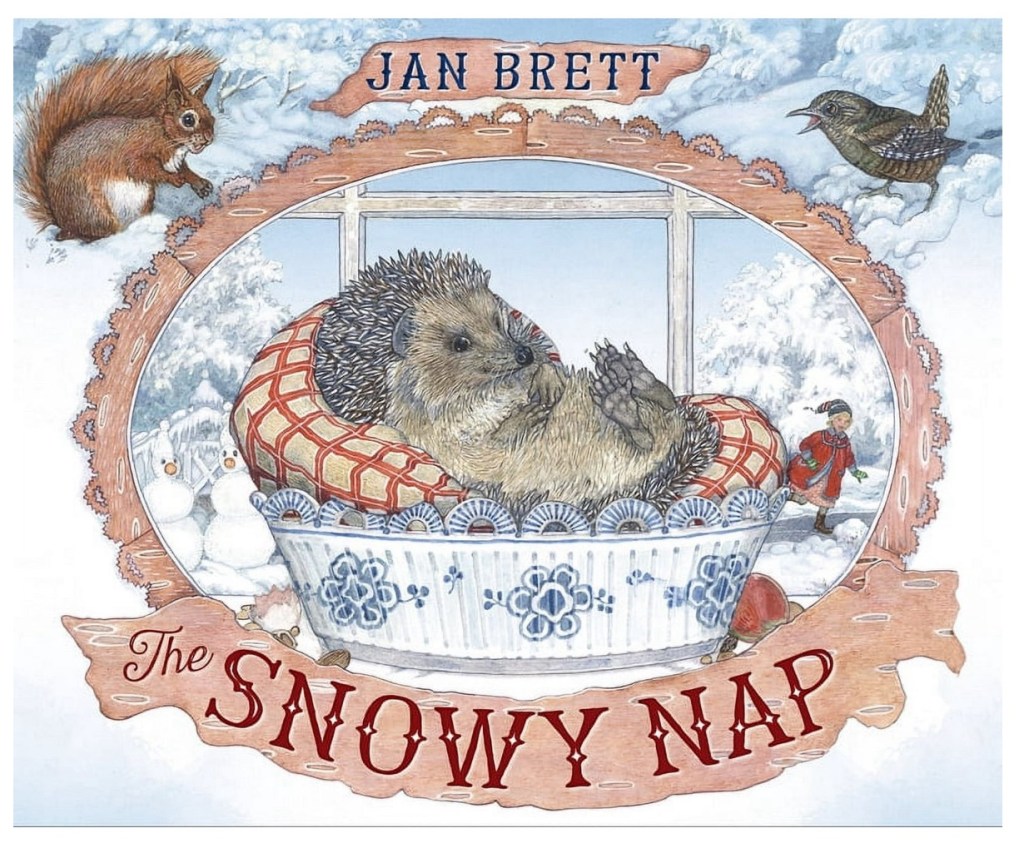
We began by studying how animals prepare for winter. We read, “Over and Under” and enjoyed pretending as animals hibernating under the snow. Jan Brett’s, “A Snowy Nap” was a fun tale about a hedgehog who didn’t want to hibernate because he wanted to see all the fun things that happen in the winter months. “A Loud Winter’s Nap” was a funny tale about a turtle who was slow to appreciate all the fun things we can do in the wintertime.
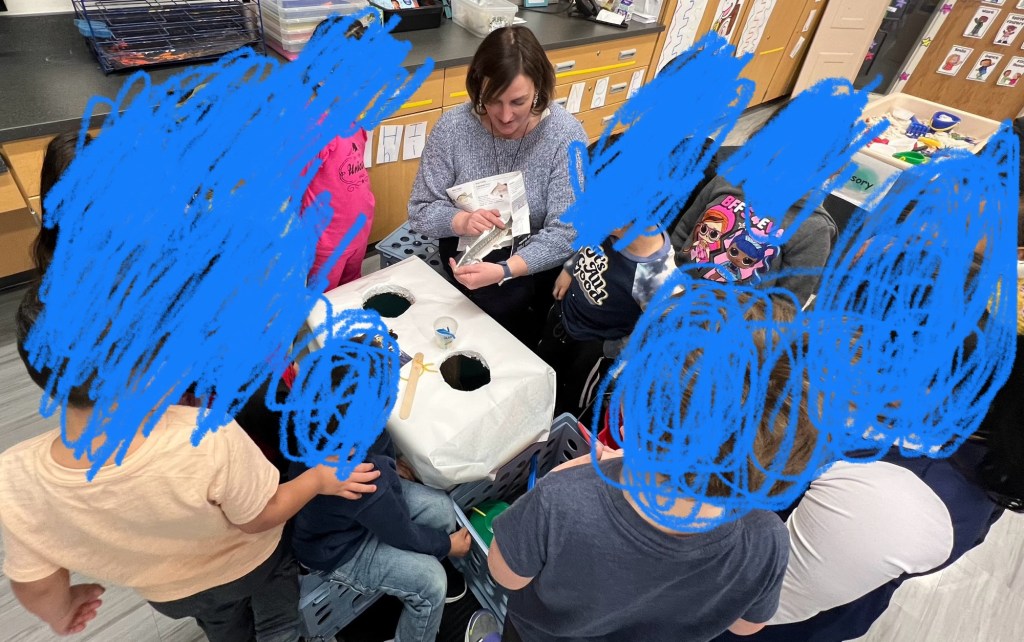
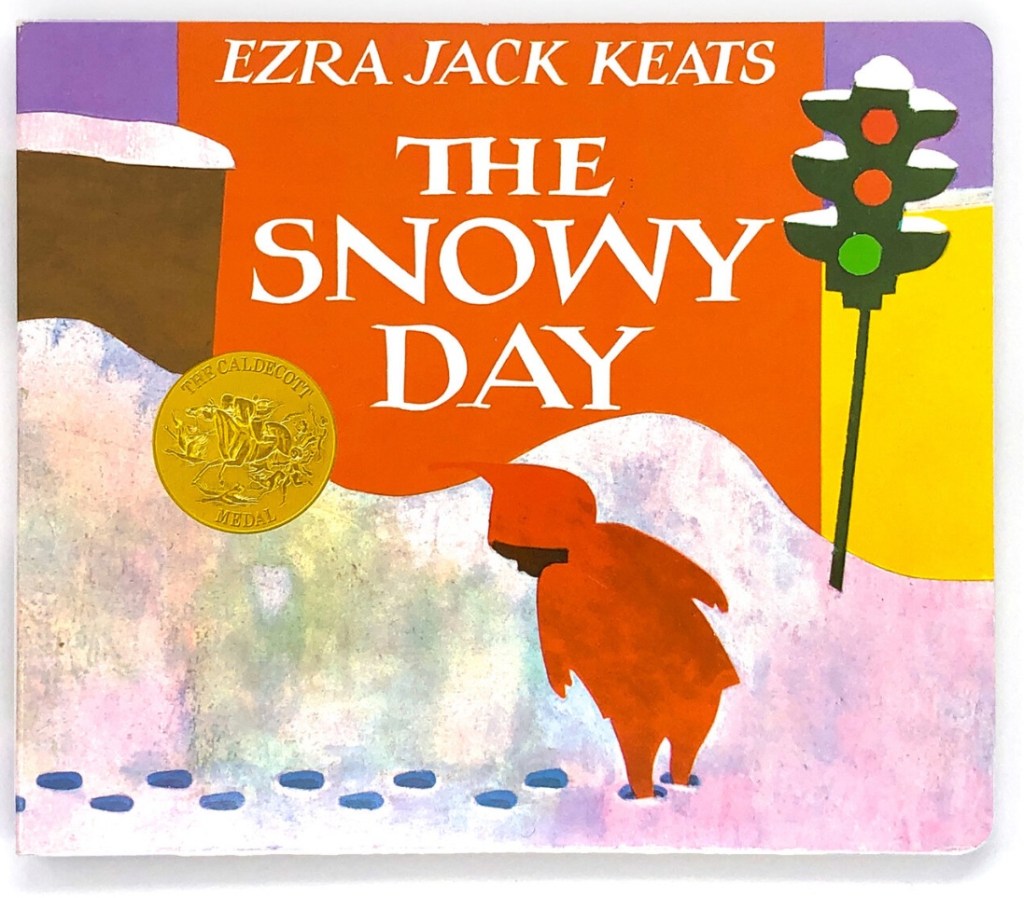
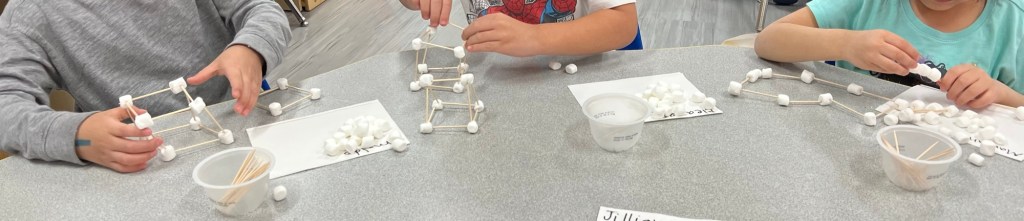
Next, we learned about things we do in the winter. Students enjoy Ezra Jack Keats’ Caldecott-winning, “A Snowy Day”. We brought a snowball inside and observed it melt just like in the story! We also read nonfiction books about snow and ice fishing. Students enjoyed building snowflakes out of marshmallows and toothpicks and playing in the ice fishing dramatic place center I created for them.
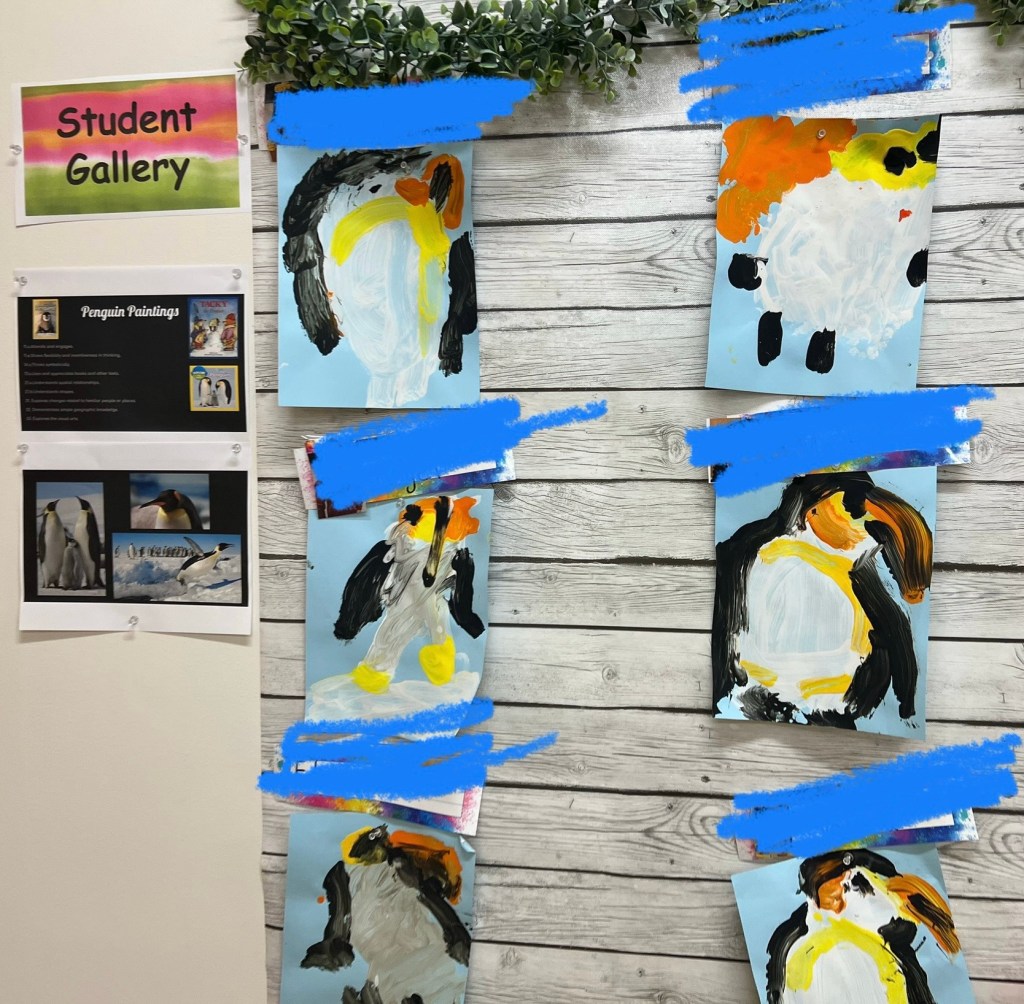
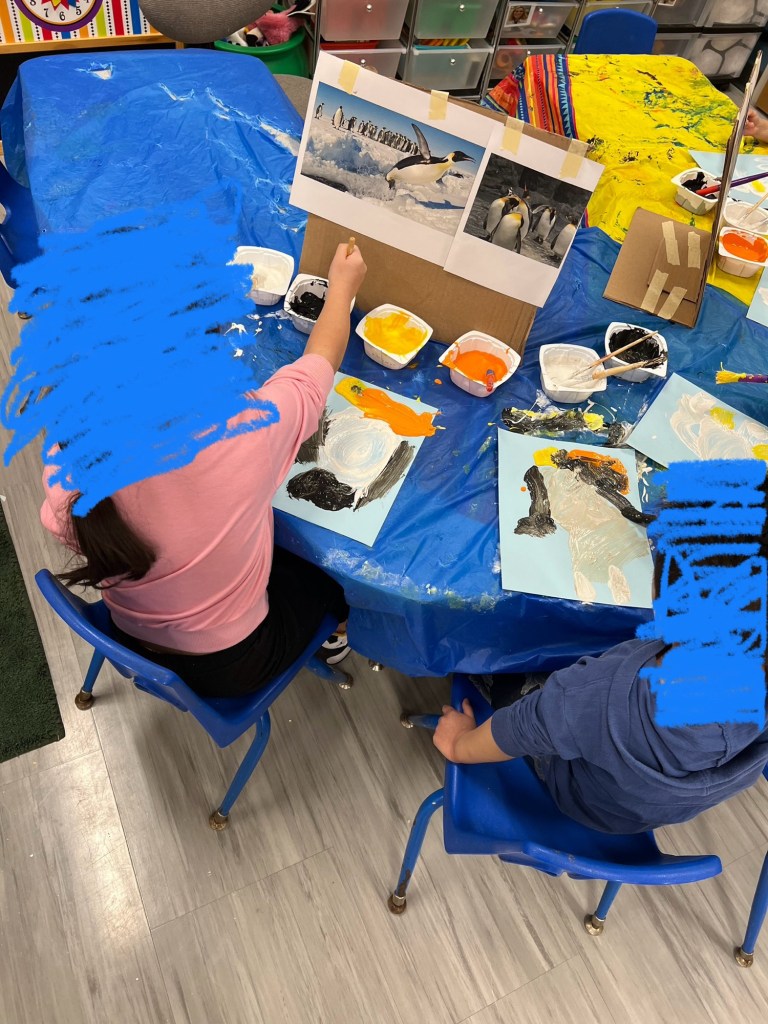
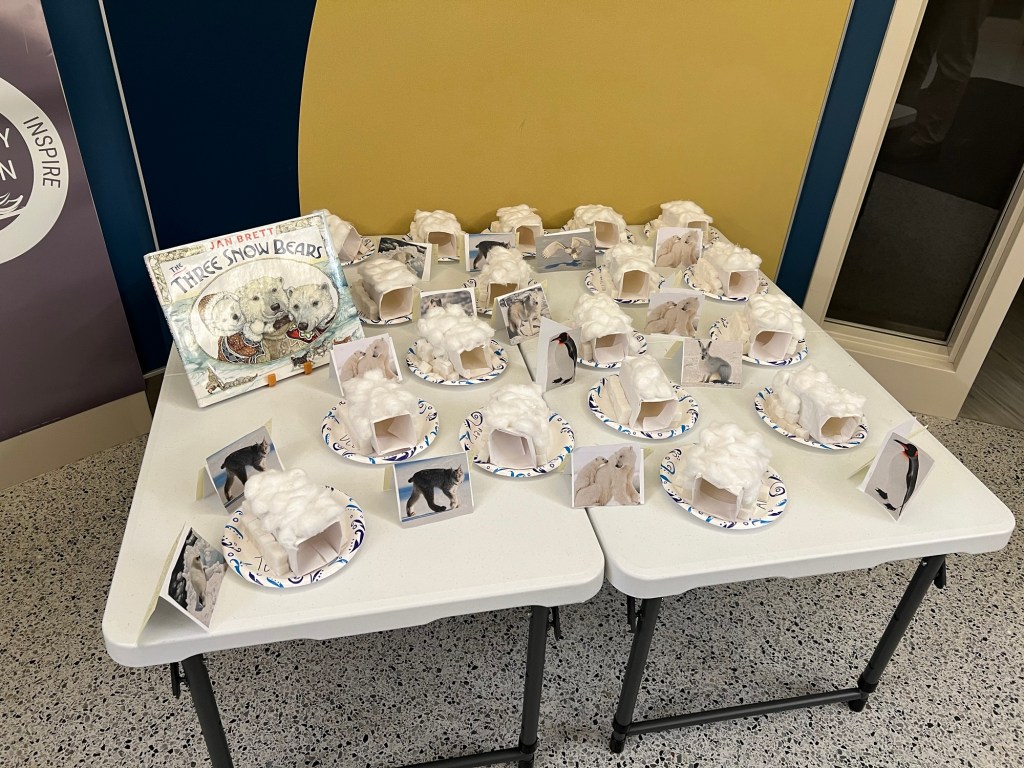
Then, we learned about life in the arctic circle. Students loved the heartwarming story, “Immi’s Gift” and exchanged student-created cards with another classroom, similar to the jewelry exchange in the story. Students read Jan Brett’s, “The Three Snow Bears” which students then compared and contrasted with the classic fairy tale. Students enjoyed the hilarious antics of “Tacky the Penguin” and painted penguins by observing photos of penguins.
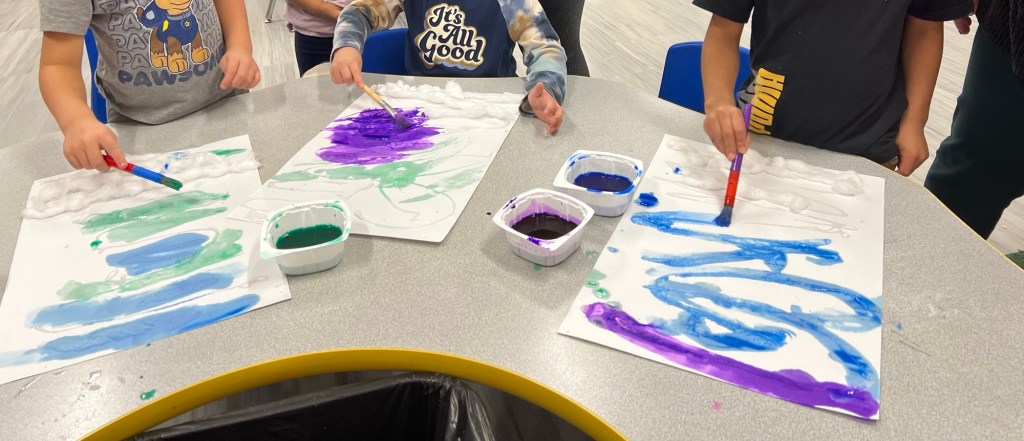
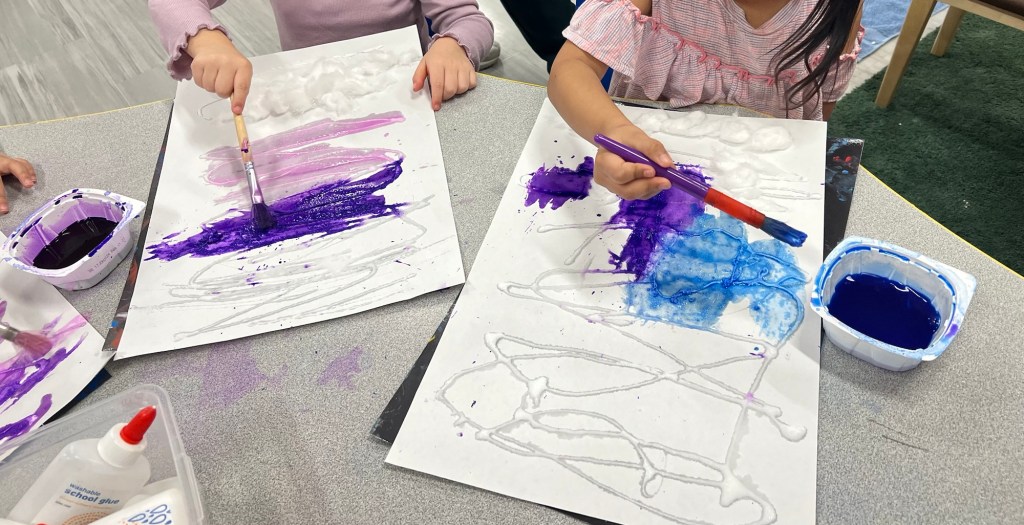
Students also explored the phenomenon of Aurora Borealis by reading, “Rory and the Northern Lights” and watching videos of the Northern Lights. We also enjoyed singing Raffi’s “Baby Beluga” and Charlotte Diamond’s, “Slippery Fish”.

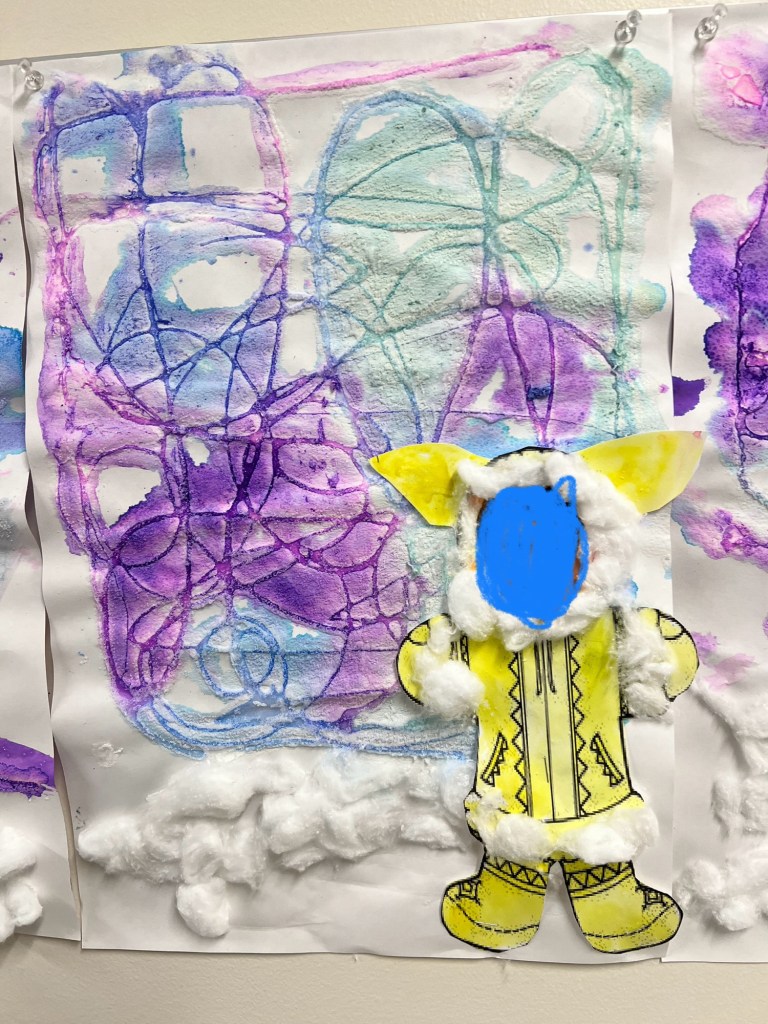
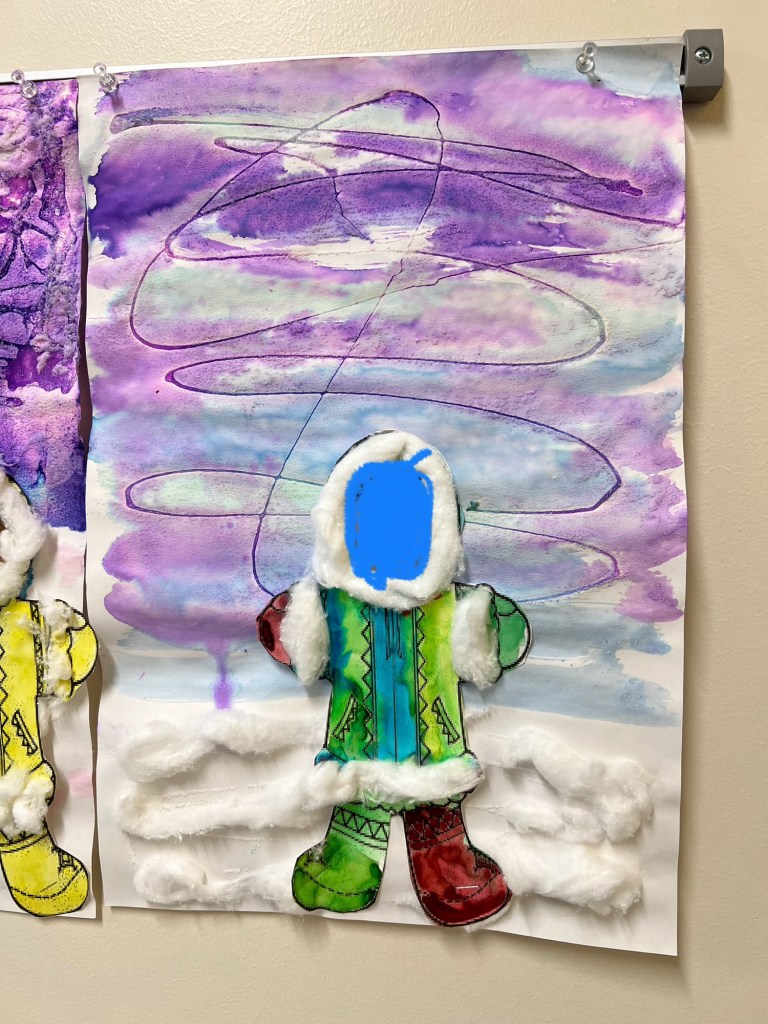
Students then read nonfiction books about igloos and Inuit life. We made igloos out of recycled milk cartons and sugar cubes and then selected an arctic animal to tell a story about. It was fun seeing all that students have learned by studying cold cultures around the world.
 Paint and Pages
Leave a comment