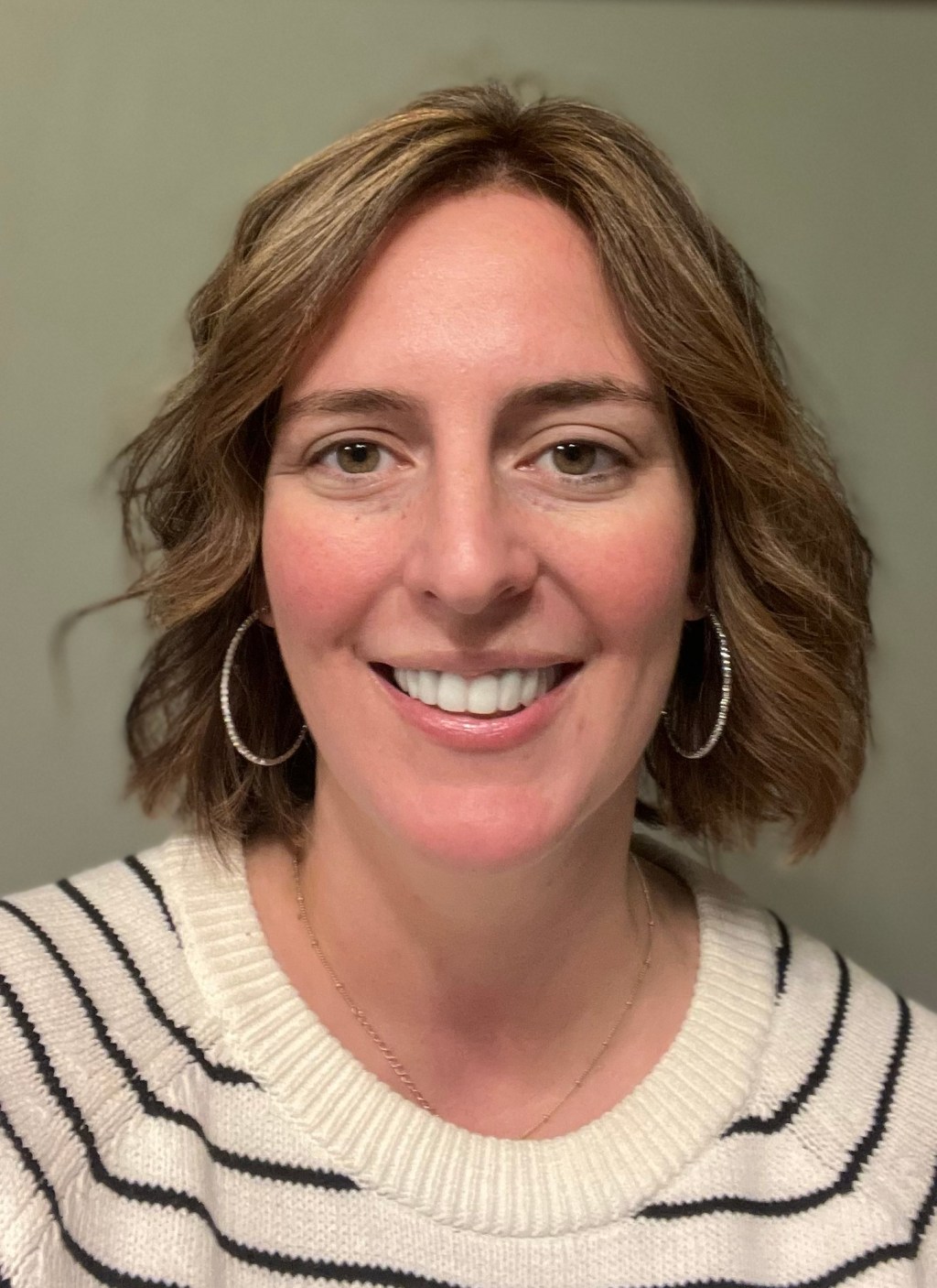
In April of 2023, I asked myself what the heck I’d gotten myself into as I checked into a hotel room in Cedar Falls and collapsed into bed after a nearly four hour drive. I had been selected to participate in the second cohort of the University of Northern Iowa’s Literacy Initiative.
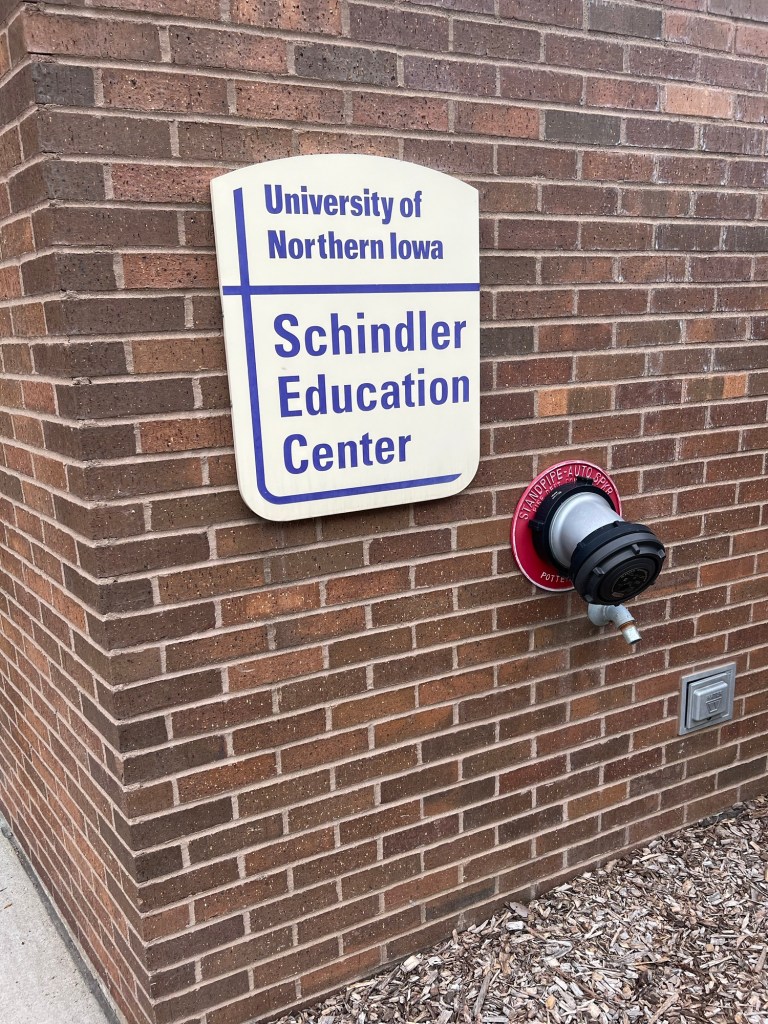
I applied for the opportunity in part because of my positive past experiences with UNI, in part because I love literacy, and in part because I was feeling professionally stuck in my current position as the sole preschool teacher in a small rural school. I submitted my application while riding passenger en route to my children’s hockey tournament. As I clicked “send” for my paperwork, I laughed and told my husband, “There’s no way they’re going to select a preschool teacher for a literacy initiative!”
Still, it was worth a shot.
Early childhood is my favorite. More brain development happens in my preschool classroom than anywhere else in the school district. Yet it rarely receives the respect and recognition it deserves.
I’m happy to say I was wrong in thinking the UNI LI did not want a preschool teacher! In January, I received an email that I had been selected to participate and that my hotel, gas, meals, and books would all be provided during the experience. I was cautiously optimistic and looking at a busy April weekend and a busy month in June.


So on April 29th, 2023, I found myself on campus at the University of Northern Iowa. Although UNI has afforded me the most educational and transformative experiences of my career, through Camp Adventure and Iowa STEM Trainings, I didn’t have the highest expectations. Veteran teachers committed to their craft have attended enough professional development to know that PD is a mixed bag. Sometimes you walk away with a couple new practices you can implement right away. Sometimes you walk away wanting hours of your life back. Sometimes you tell yourself: yeah, it was a waste of time and money, but at least you got to use the restroom when needed and eat in a restaurant instead of scarfing microwaved leftovers in the break room.
The first session I chose to attend involved representation in literature. Sheritta Stokes, cofounder of the 1619 Freedom School in Waterloo, Iowa and fellow member of the University of Northern Iowa’s Literacy Initiative, was presenting her work helping Waterloo students achieve literacy.
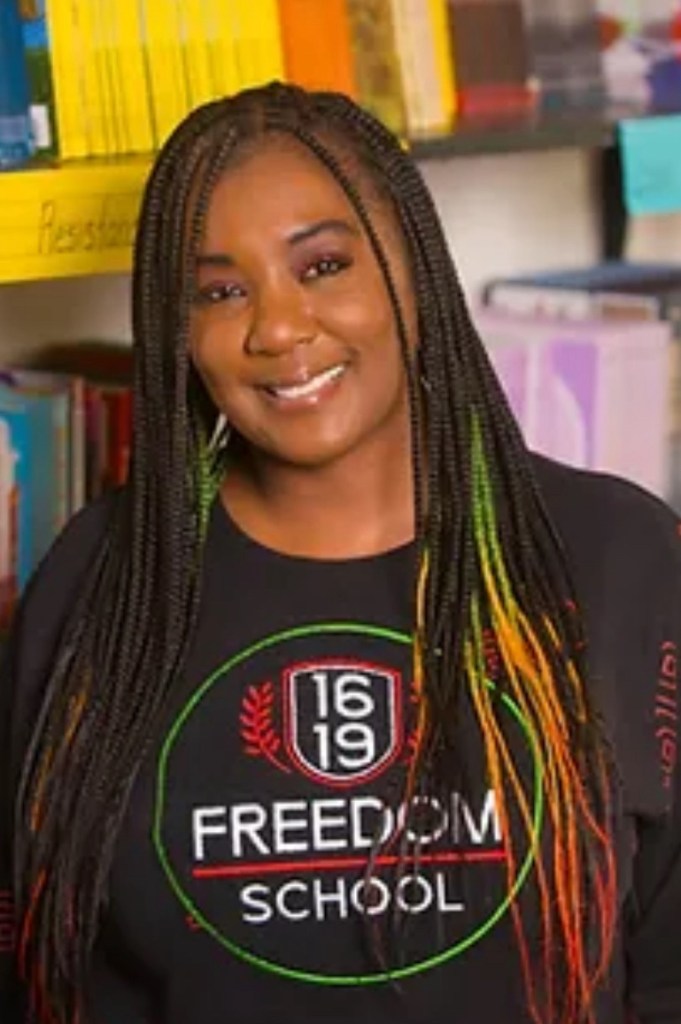
The 1619 Freedom School’s motto is as follows:
“The 1619 Freedom School is a free community-based, after-school literacy program where students improve literacy skills and develop a love for reading through liberating instruction centered on Black American history.”
At her UNI LI presentation, Sheritta had a year’s worth of data demonstrating reading improvement from third-fifth grade students in her after school reading program. I was inspired. I wanted to do a version of her work.
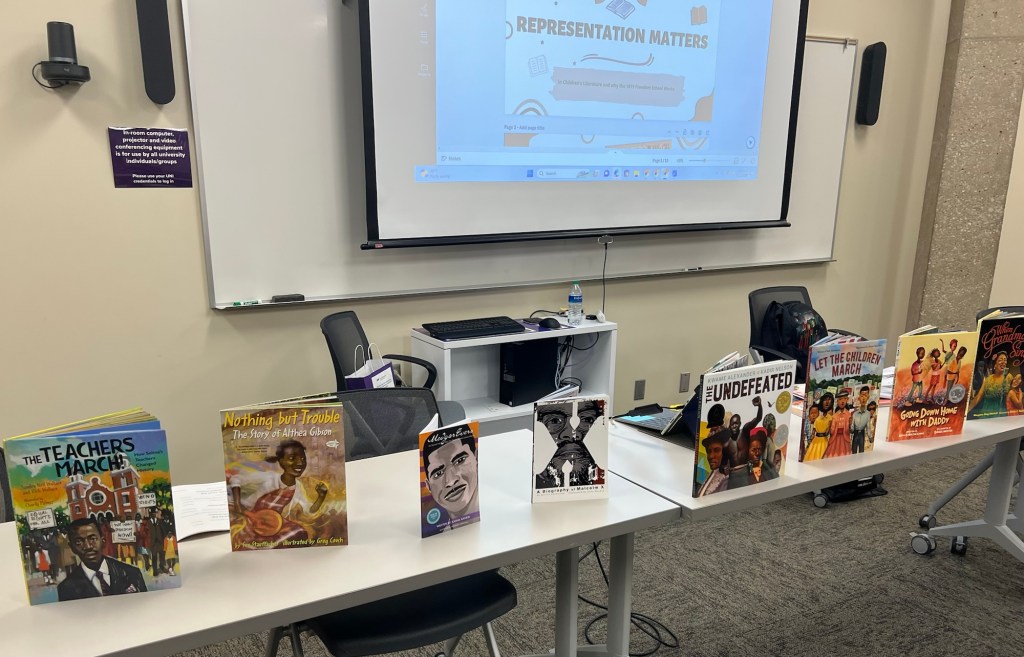
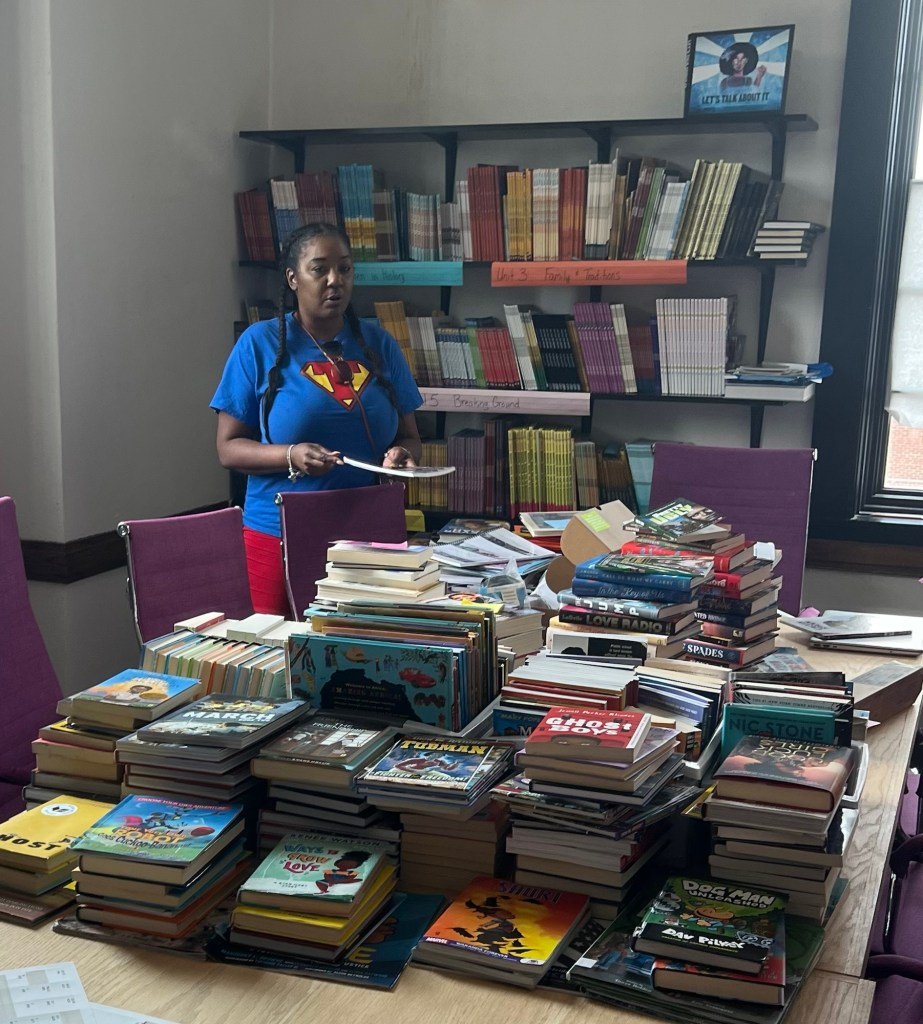
On several long tables displayed at the front of the room were books upon books of diverse titles. These books are all part of the 1619 Freedom School Curriculum. Many of these books I was embarrassed that I’d never seen or heard anything about. A few were familiar. Some were chapter books, others picture books. So many titles. I joined the handful of teachers thumbing through the books and nervously asking Sheritta questions. I asked, “Would the 1619 Freedom School Curriculum ever be shared online?” Sheritta shared that it would (and at the time of this writing, it has!) Sheritta was encouraging and helpful. She seemed to understand that this group of mostly white teachers wanted to improve their craft but felt a little lost navigating the waters of diverse literature alone.
Teachers like Sheritta make the best leaders. They understand how knowledge is constructed. They understand human behavior. They ask the questions nobody asks because they know someone in the classroom is likely wondering and too scared to ask.
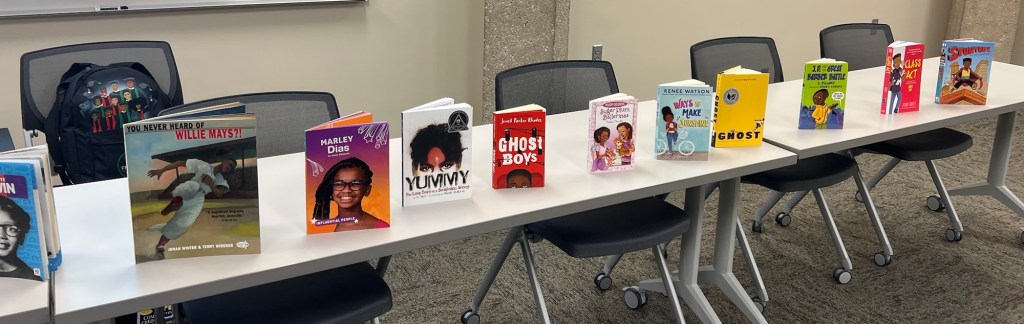
I was that student. I was scared to ask the question, “What if I have very little diversity in my classroom? Is this uncomfortable for the one or two students who are represented in Black American history?” Luckily, Sheritta answered that question without me having to ask. Teachers in rural areas with little diversity have a uniquely important role in providing diverse literature to students. After all, literature may be the sole exposure to diversity for our rural students.
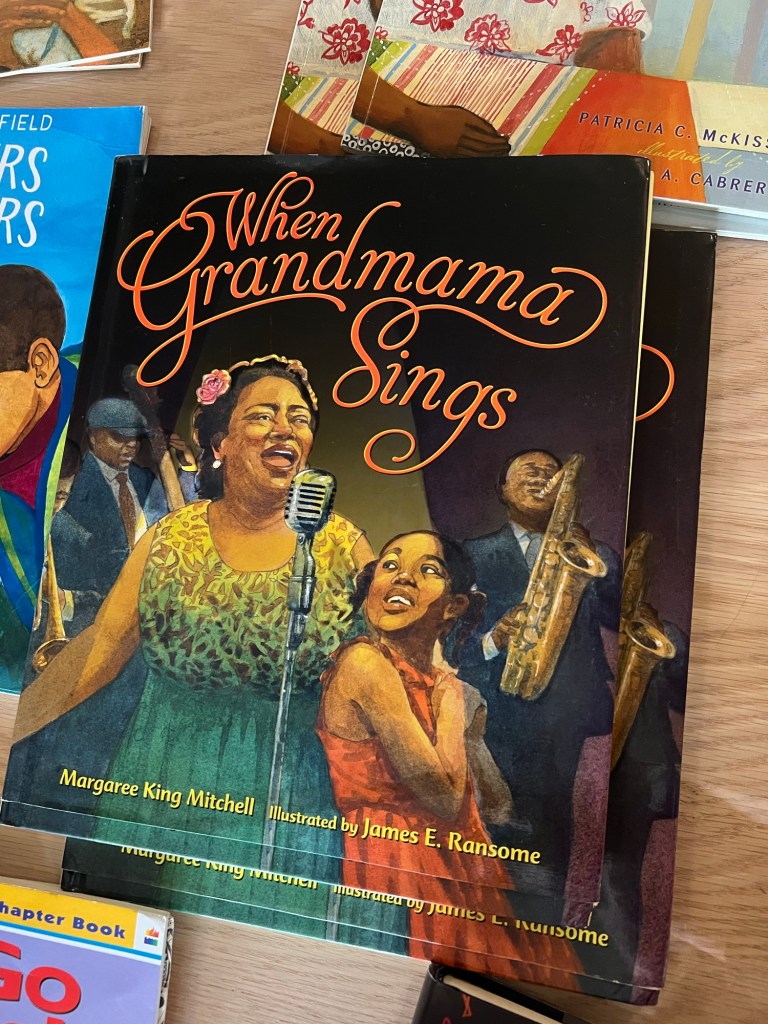
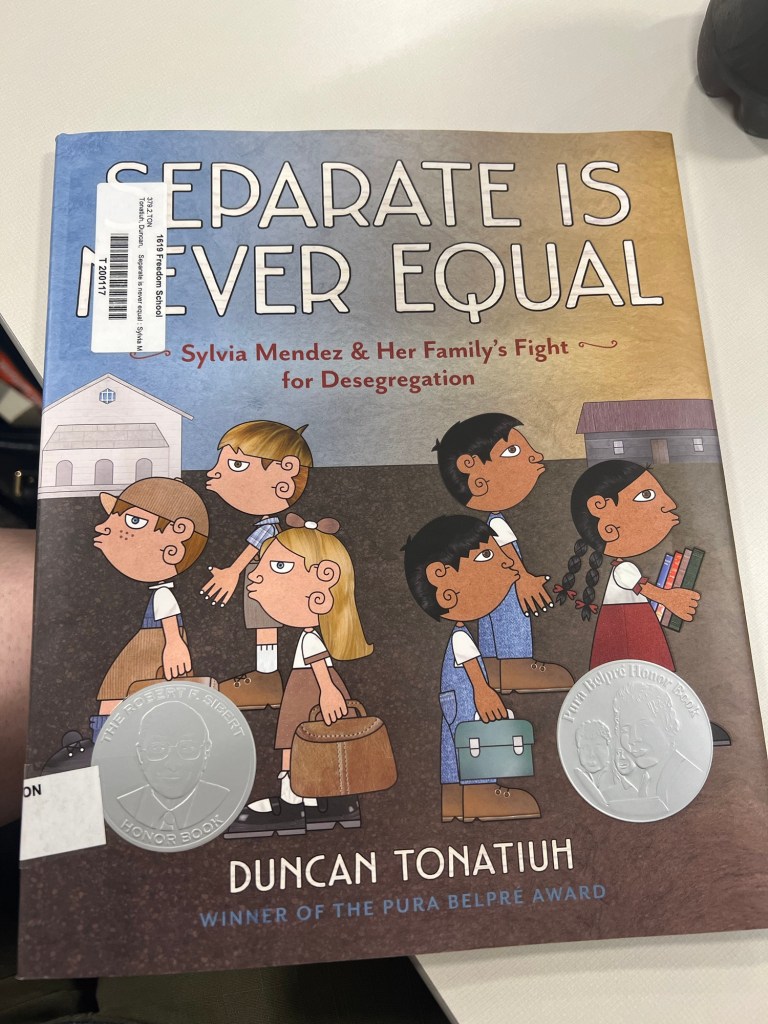
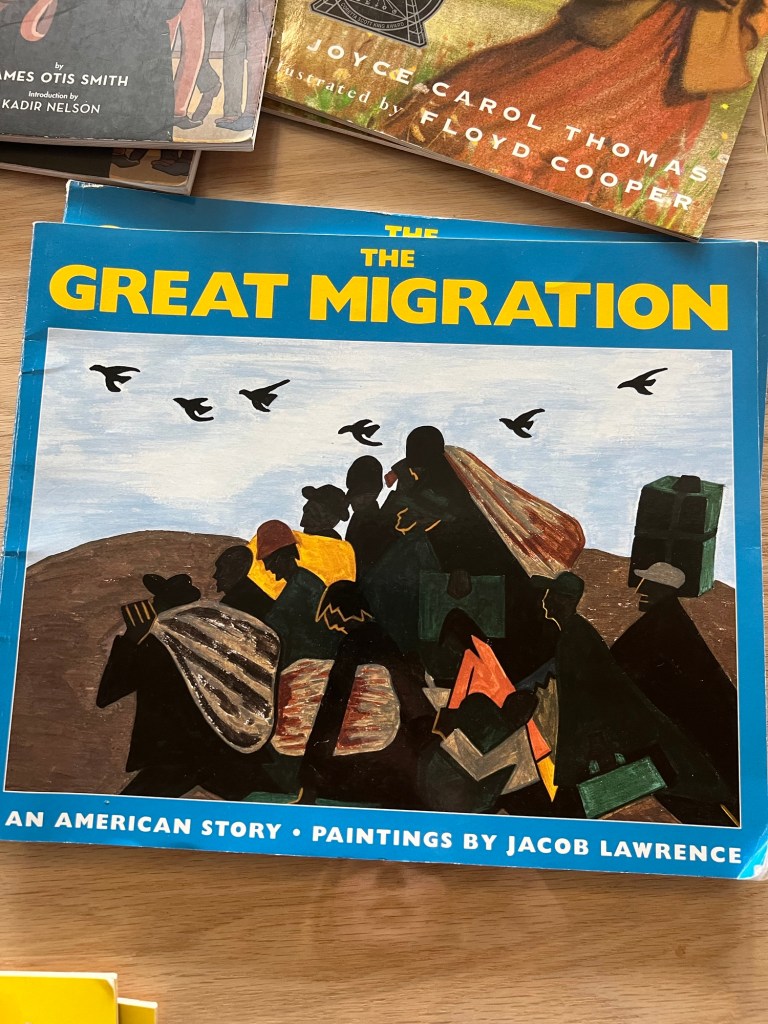
I took so many photographs that day. I wrote down so many titles. I felt the spark of something big. Sheritta Stokes and the University of Northern Iowa’s Literacy Initiative ignited a passion that’s taken off like wildfire in the wind.
In June, I signed a contract for a preschool teaching position in a very diverse community 46 minutes from my family home. I was drawn to apply for this position because it was vastly different from where I was currently teaching and feeling professionally stuck. Instead of having zero teachers on my team for collaboration, I’d have a team of nine teachers, three of whom were brand new teachers. Instead of teaching in a rural area with little diversity, I’d be one of three monolingual speakers in my classroom. Instead of teaching in an aging school without an HVAC and plumbing issues, (though I’m happy to say this school’s bond for a new facility passed), I’d be in a brand new building complete with an indoor playground and indoor gym. My administrators inspired me with their interview questions and passion. My direct supervisor was someone I knew could bring out my best. Despite everyone telling me the drive would be too much with young children, I followed my heart and accepted what would become the most transformative teaching position of my public school teaching career.
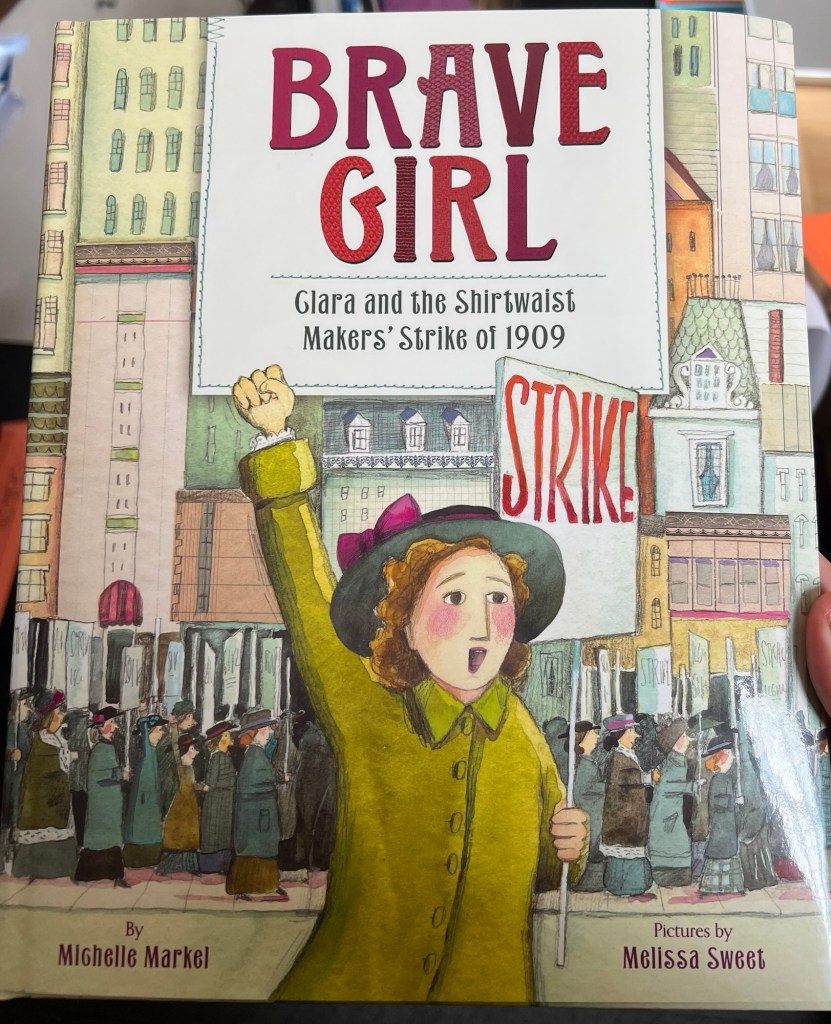
I hoped the UNI LI could help prepare me for this role. I was ready to learn as much as possible.
So in June, I had the privilege of staying at the UNI campus for two weeks and then heading to Iowa State University for the Iowa Reading Conference.
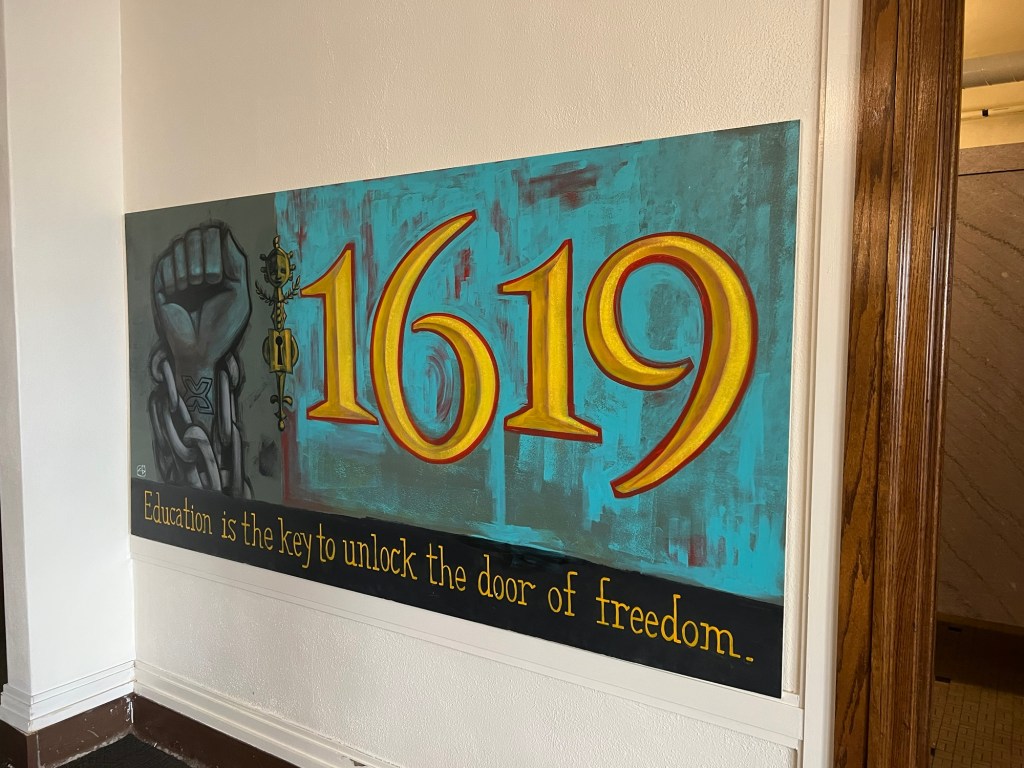
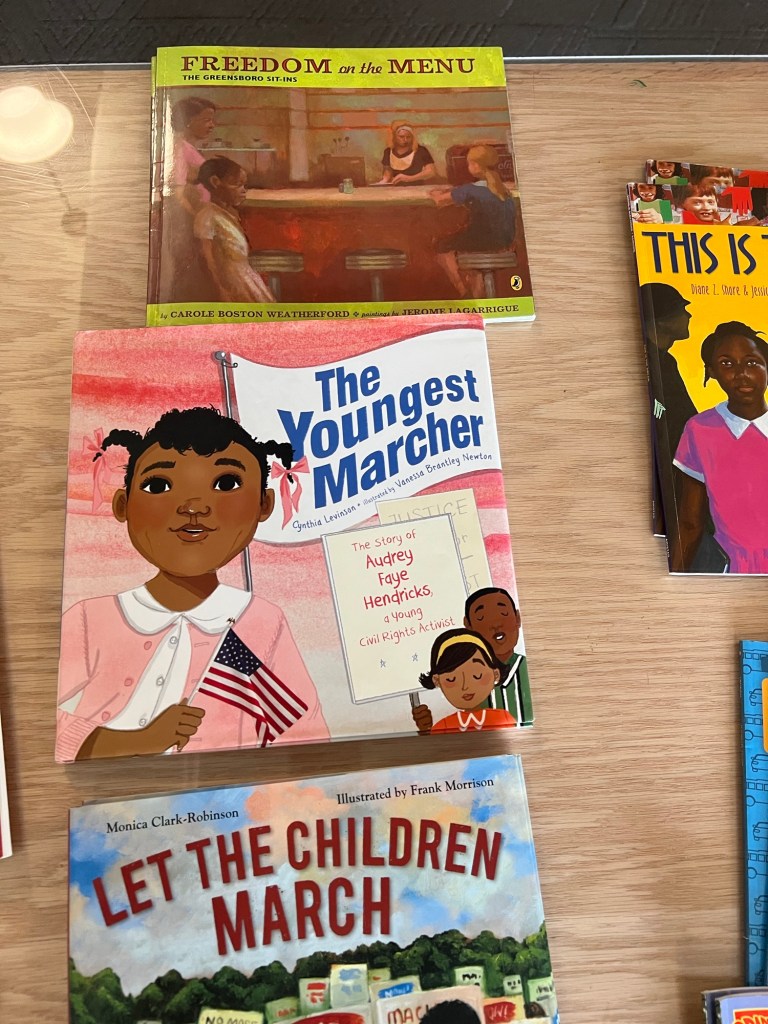
My first day at UNI, a dozen teachers and I jumped in a couple vans and headed to Sheritta’s 1619 Freedom School in Waterloo, Iowa. There was so much to take in: the cozy furniture, the goosebump-inducing wall quotes, the spaces for learning and collaborating, and of course, the books. The books describing horrors I’ve never witnessed. The books showing the courage and resilience of the Black American experience. The books facing bans for telling a story where many are ashamed of their role.
I wanted to bring these books and stories to my students. I wanted my students to see themselves in books. I wanted my students to see others in books. I wanted diversity at the heart of my literacy instruction.
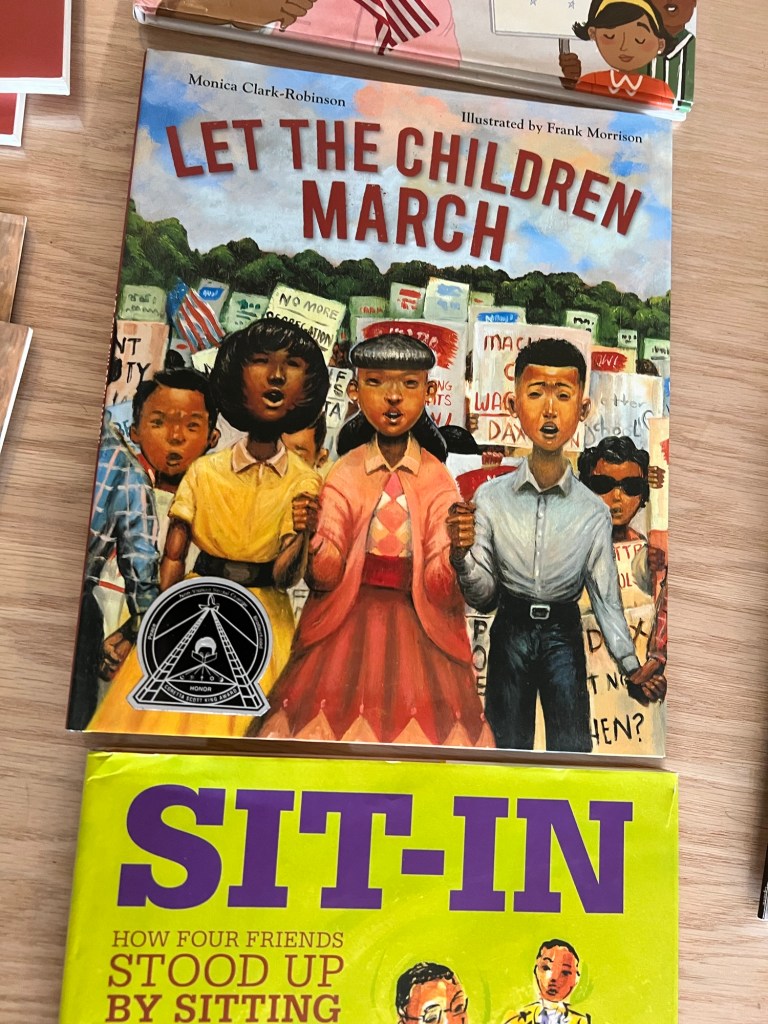
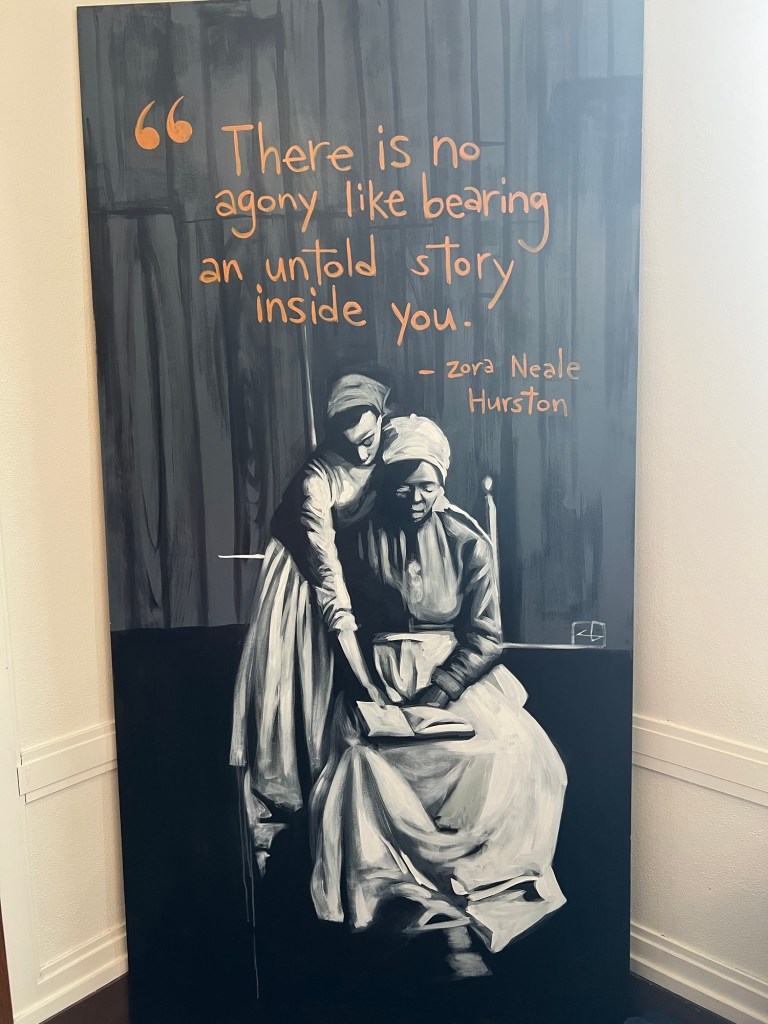
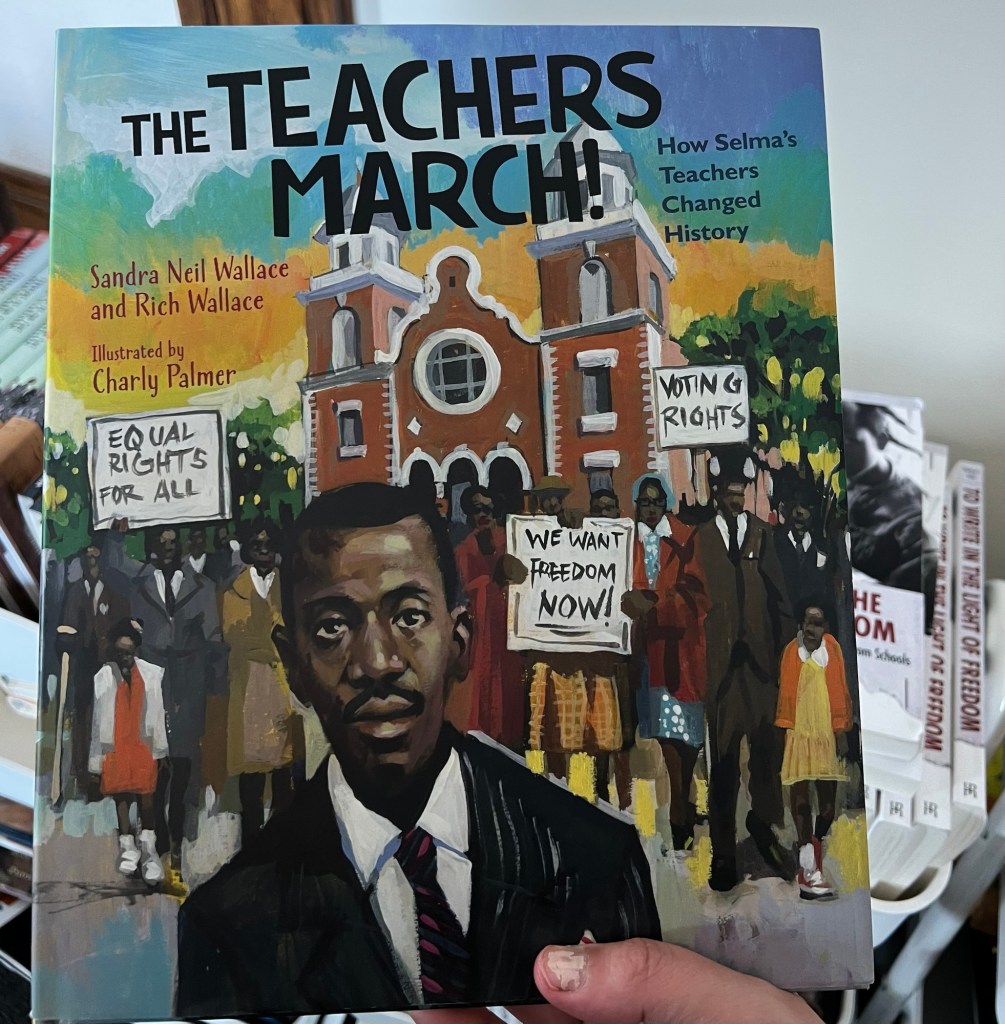
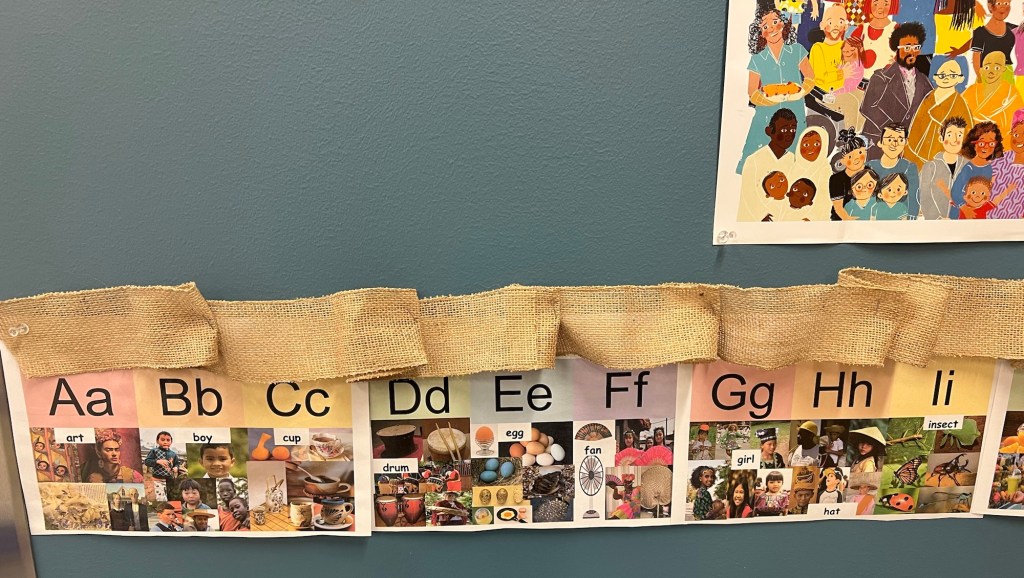
However, I wasn’t sure the best way to do that. I had a list of titles collected from Sheritta’s collection and at the suggestion of my UNI LI Colleagues. I had copious notes from Dr. Mikakka Overstreet’s lecture on culturally responsive teaching. I had plans to create a culturally-responsive alphabet like the one Dr. Overstreet shared. I still felt somewhat scattered in finding a path to diversifying my instruction.
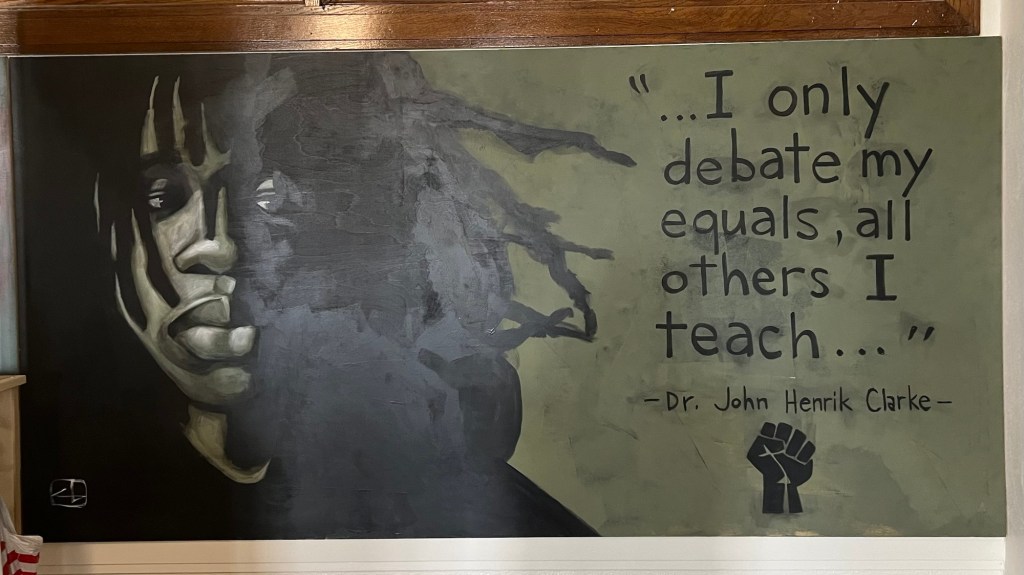
After learning about racial and ethnic relations from Dr. Thaddeus Atzmon, I asked him how I could go about connecting with cultures in my community. He said to be present, attend community events, and listen to community members. It was such simple advice, I felt a little silly for asking the question; however, he was completely right! Just as in the case of building relationships with my students, that’s what I needed to do to build relationships in my new community.
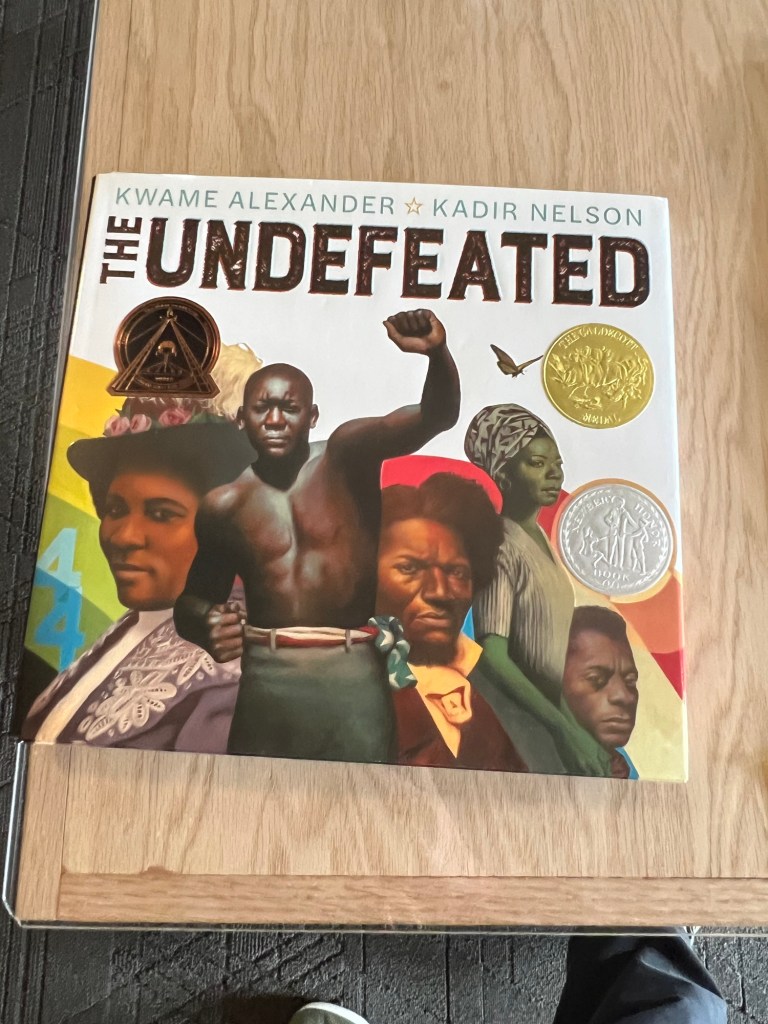
At the 2023 Iowa Reading Conference in Ames, Iowa I attended a session on using the resource “teaching books.net”. The session was overflowing with participants. There was not a chair or table left for myself and a dozen other teachers. So we found a spot on the floor to sit and learn.
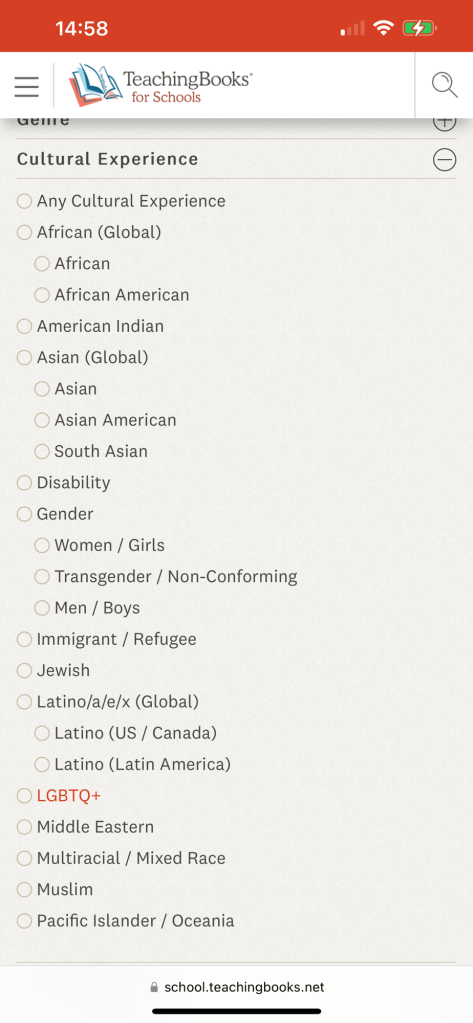
I am so happy I did! Teaching Books has been the glue of my culturally responsive teaching and diversifying my literature. It is a resource I use each time I plan as my planning always begins with books. I use the search filters for age level and cultural experience the most often. You can also search by topic, genre, phonics skill. Depending on the book, there are also links to lessons, learning activities, resources, and book trailers. Teaching books has helped me research the best books to add to my classroom library. I love this resource and highly recommend it to all educators and librarians.
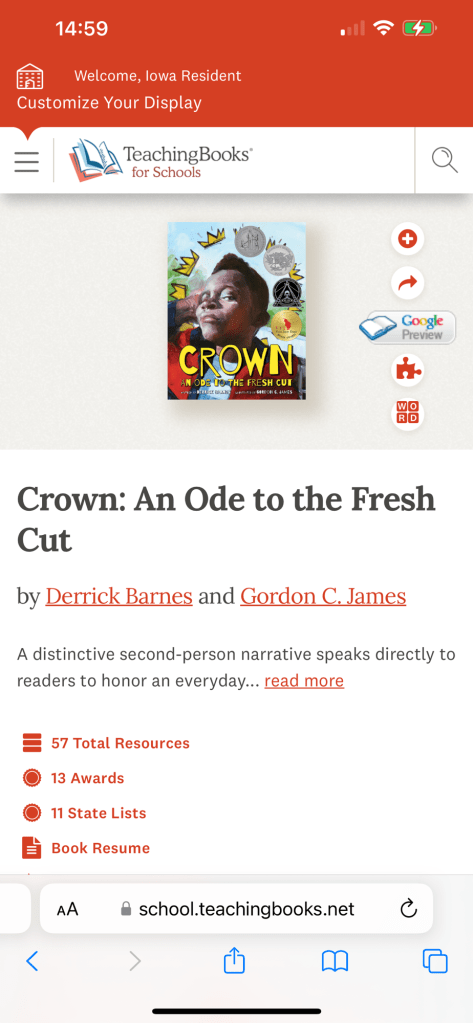
So I began searching for books and learning about my community. When I heard about my community’s Equity Coalition, I happily joined and encouraged three of my colleagues to join as well. We met every other Monday and I have learned a great deal through the experience. I talked to every person who set foot in my classroom and attempted to learn all I can about the stories in my community. I used this to guide the literature selected for instruction. And I shared these books and resources with my teaching team.
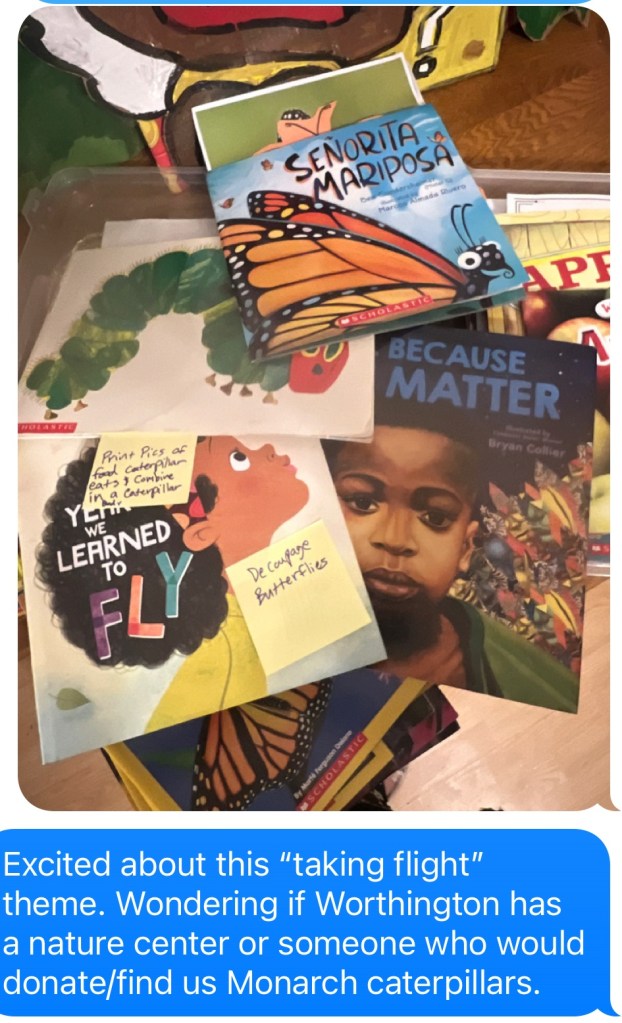
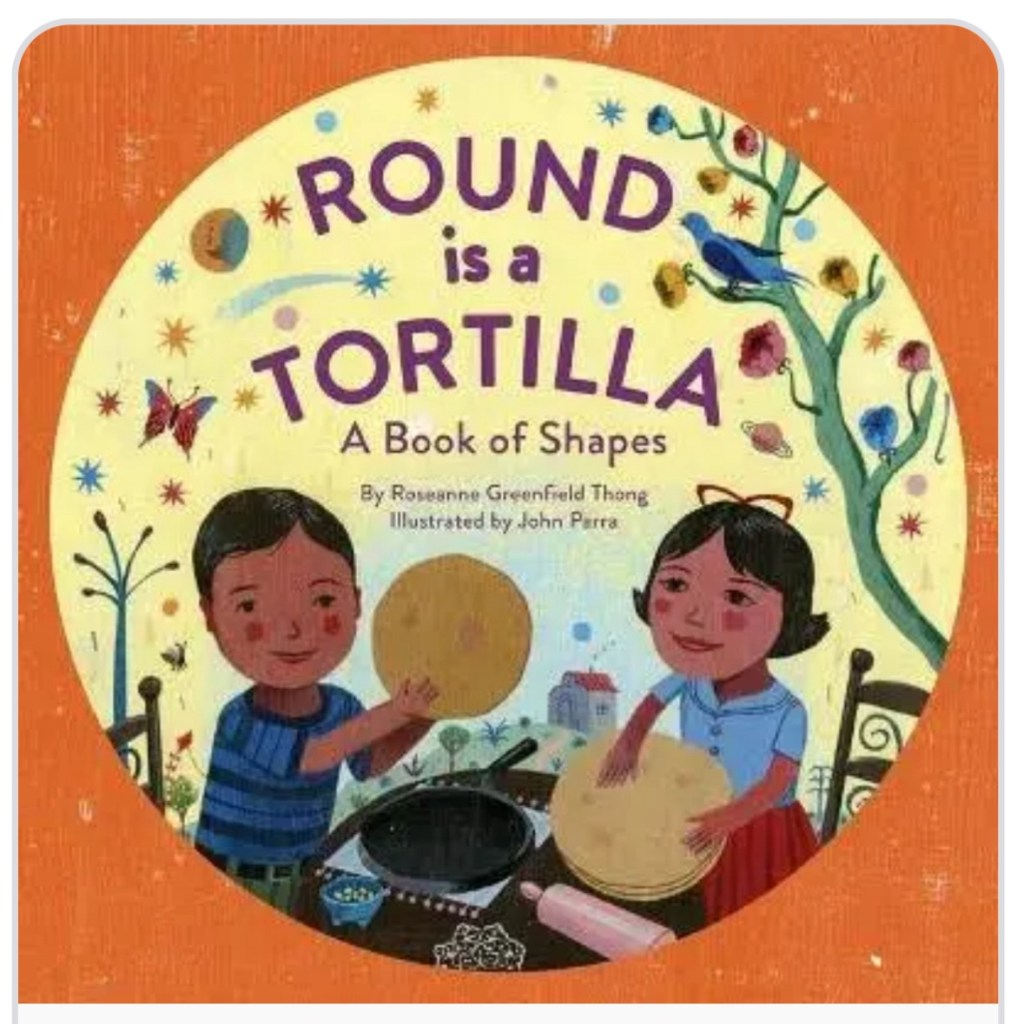
I’ve gotten goosebumps many times this year. That electric shock feeling when you know what you’re doing matters and really connects with your students. I know that learning about shapes by reading “Round is a Tortilla” is a part of why my students can identify their shapes. I know that the pride my students feel in sharing their language with me is because I incorporate Spanish books into my classroom and ask my Spanish-speaking colleagues to read them. I know the reason my students envision themselves as firefighters is because I’ve read “Fire! Fuego! Brave Bomberos” and “Firefighter Flo”. Most importantly, I know the reason my students feel included and appreciated is because my books include and appreciate them.
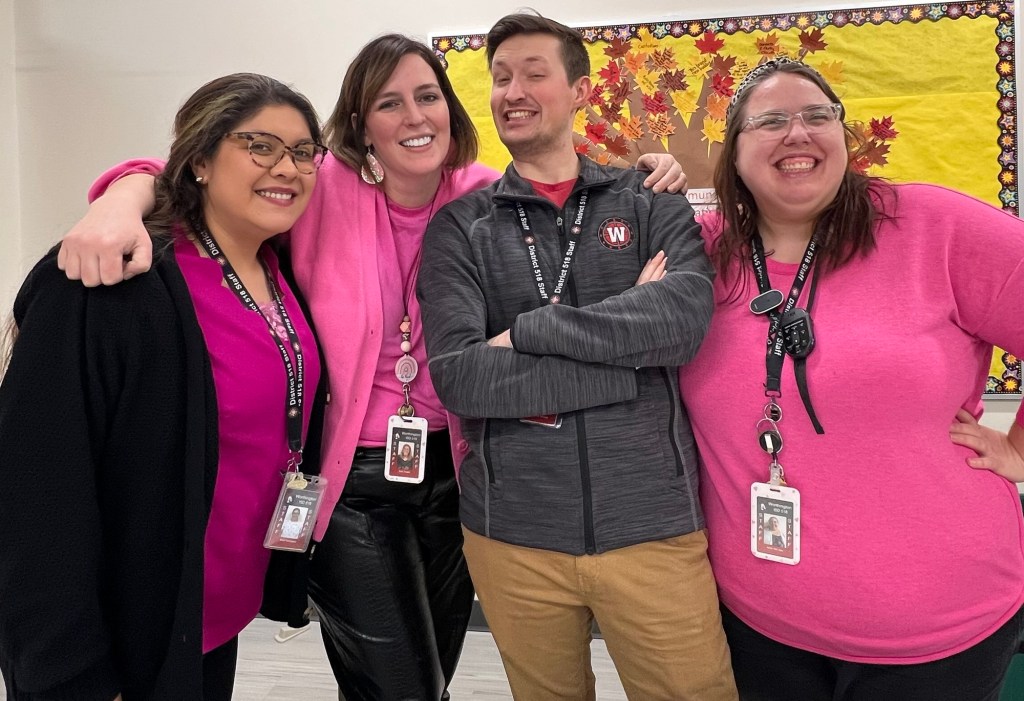
On my last day of teaching in the preschool classroom, my colleague Arlett Rodriguez gave me a shout out I’ll always treasure.

Arlett is brilliant. She holds a bachelor’s in History and left a managerial position to return to school to become an educator. I had the pleasure of teaching alongside her this past year and told her on more than one occasion that she makes me blush when I compare her first year of teaching to mine. She has taken off and I’m so inspired by all she does.
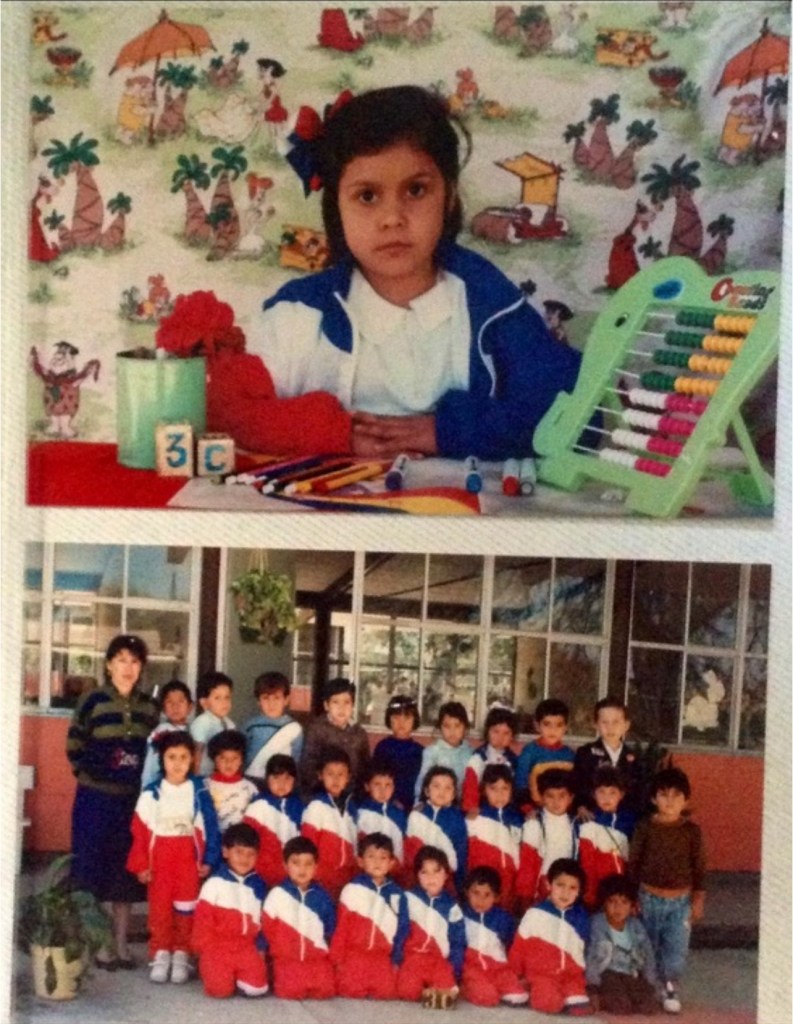
Arlett attended kindergarten in Aguascalientes before coming to the United States. She is bilingual in Spanish and English and understands the newcomer experience of many families in our community. She is the representation our students need and a cultural liaison for our faculty.
Arlett doesn’t get annoyed at what I don’t know. She doesn’t mind when I hand her a book and say, “Please tell me if this is any good…” She laughs when I ask her to interpret and joke that I should have applied myself more in high school Spanish class. She happily shares her chili sauce recipes and reminds me that I too have a culture; after all, she thought it was crazy the first time she was served tea with milk. Arlett helps me do the most important part of culturally responsive teaching: she helps me laugh at myself. She helps me examine my background and biases in a non threatening way. She is the friend that helps others around her grow.
So I was over the moon when she shared this post. Arlett is thanking ME for introducing her to cultures through my books. She’s thanking me, a quirky white lady from rural Iowa for introducing her to a new world of books.

When I thanked her for the shoutout, and told her that it brought me to tears, she sent me this message:
“I didn’t want to make you cry, but I do have to admit the little Mexican girl in me would have loved to have access to all the books you’ve introduced me to and would have especially loved having you as a teacher 💜 The early 90’s weren’t so welcoming to all us newcomers 🫶🏼”
I’m not sure how you measure success. I’m not sure how you measure personal growth. But I do know that the little spark ignited in April of 2023 is now a full-blown wildfire, spreading farther than I ever imagined.
My father plays in a band and one of my favorite songs they cover is Bruce Springsteen’s, “Dancing in the Dark”. My experience at the UNI LI was my spark. That little spark is now a growing wildfire.
“You can’t start a fire
Sittin’ ’round cryin’ over a broken heart
This gun’s for hire
Even if we’re just dancin’ in the dark
You can’t start a fire
Worryin’ about your little world fallin’ apart
This gun’s for hire
Even if we’re just dancin’ in the dark”
-Bruce Springsteen
 Paint and Pages
Leave a comment