
As midwesterners who are a full day of traveling from the nearest ocean, my family and I love and appreciate all the ocean has to offer and make the most of it when we have the opportunity to visit.
We love jumping in the waves and looking for fish in the salty waters. We love digging in the sand all day collecting shells and creatures. We love waiting until nightfall to haul flashlights, buckets, and nets to the beach to catch and release crabs.
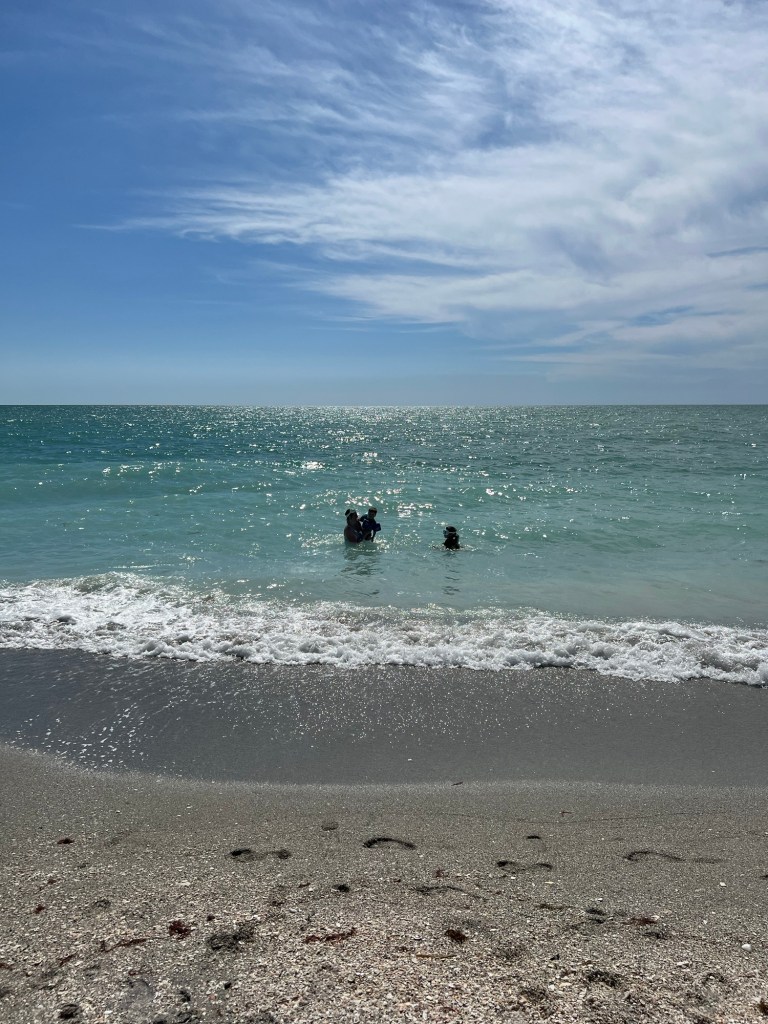
The ocean offers so much to learn, explore, and love. After our preschool studies of ice fishing and Koi Fish, branching to a study of the ocean just made sense.
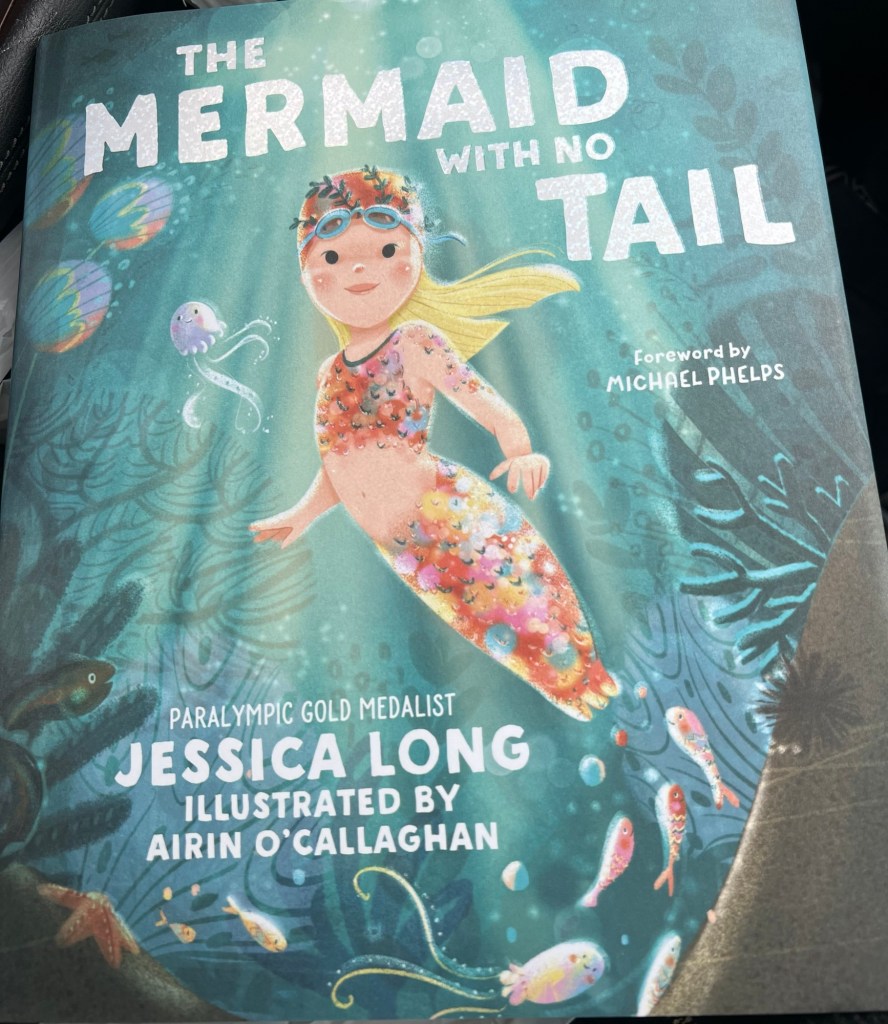
I was intrigued to come across, “The Mermaid With No Tail” while shopping at Target over spring break. I was initially drawn to the book because of its beautiful illustration and the title reminding me of another book I read students earlier in the year: “What Happened To You?” by James Catchpole and illustrated by Karen George.
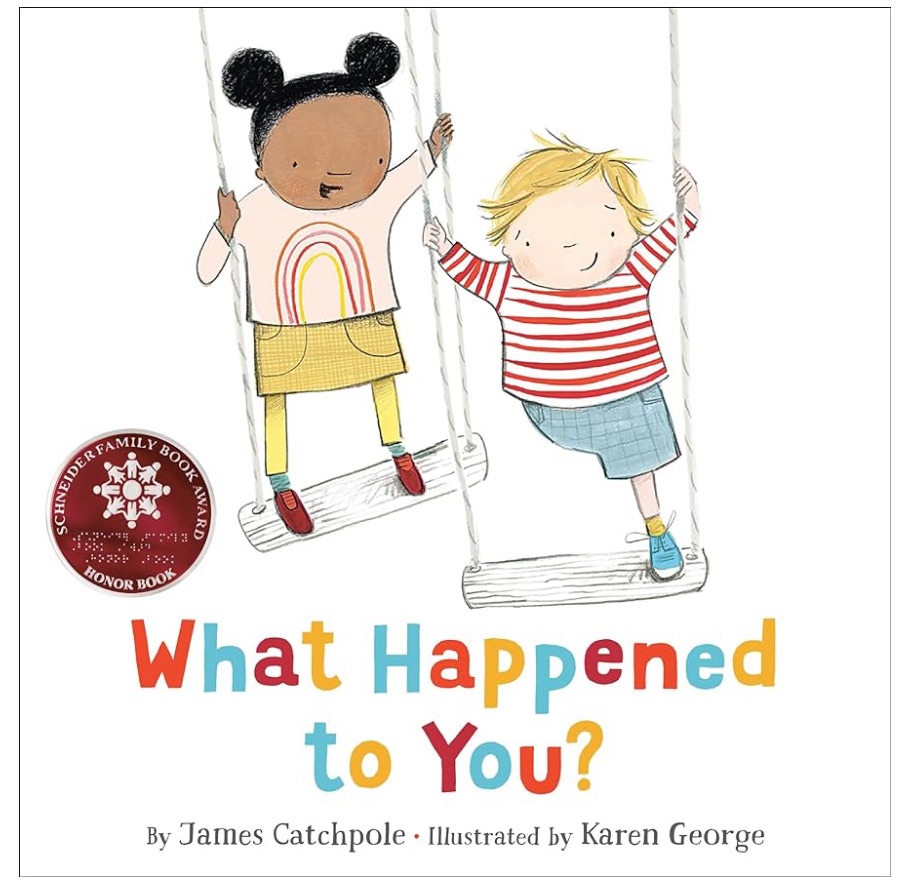
“What Happened to You?” Tells the story of a boy who just wants to play on the playground. He wants to play pirates. He wants to climb and slide. He just wants to have fun.
But he keeps getting questioned about his missing leg. He doesn’t want to talk about it. He just wants to play. So a girl joins him and they play!
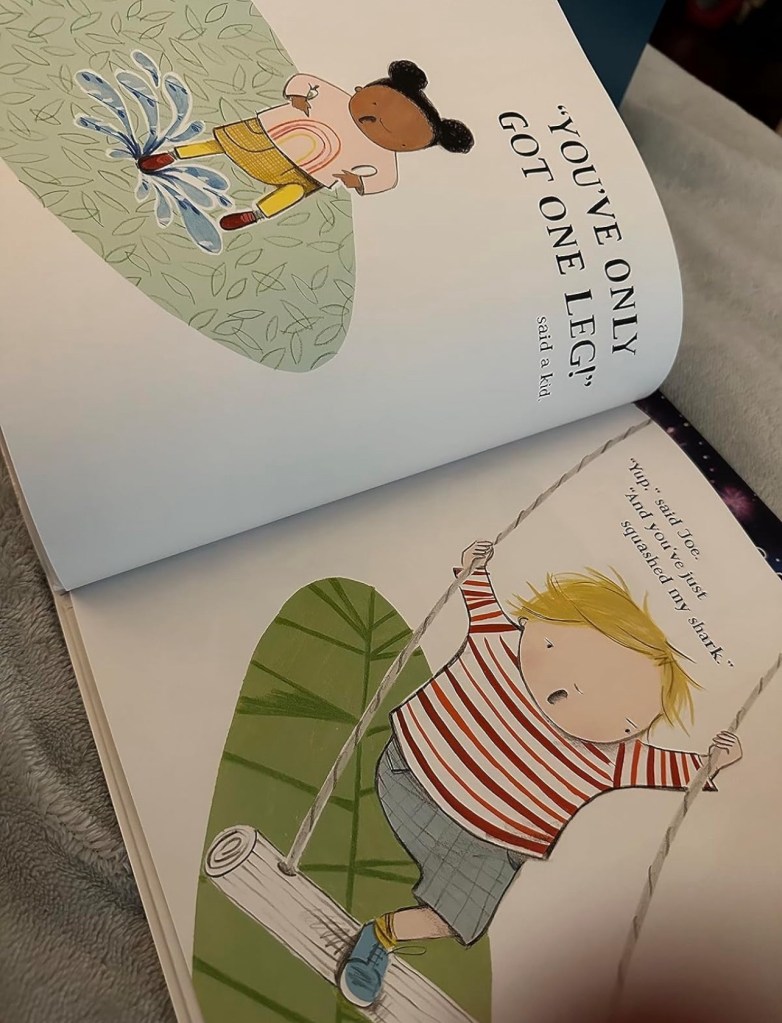
What I love about, “What Happened to You?” Is we never find out what happened to the boy’s leg. Students have to accept their curiosity and leave it. We learn, by example, that everyone has a story and it’s their choice if and when they want to share their story.
I hoped I could find an equally powerful lesson inside, “The Mermaid With No Tail”.
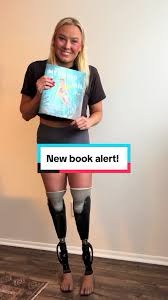
After reading, “The Mermaid With No Tail” in the aisle with a cart full of groceries, I knew I had to share Jessica Long’s story with my students! It would be a great way to “dive” into our ocean unit.
Jessica Long was born Tatiana Olegovna Kirillova with the congenital condition fibular hemimelia to a teenage mother in Siberia. Placed in an orphanage until she was adopted by American parents at thirteen months of age, Jessica Long underwent a double amputation below the knee at eighteen months of age. She often underwent surgery as a young child and felt frustrated by her disability.
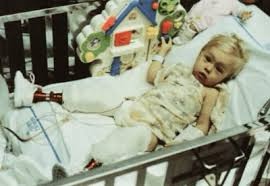
Physical activity became a place where Jessica could enjoy what her body could do despite her disability. Just like the mermaid in the story, Jessica and others were initially skeptical of her ability to swim.
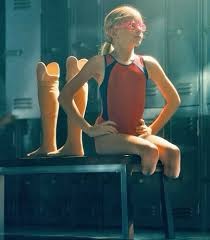
Nonetheless, through hard work and perseverance, she has become one of the most decorated athletes of all time and has won 29 Paralympic Medals.

I love this story. Students loved this story. As I was reading the part where Tatiana’s peers called her names and told her she’d never be able to swim in a race without a tail, my students’ sense of justice was activated. One girl shouted, “That’s not nice!” Another boy said, “We don’t say mean things!” I paused the book and asked students what they could do to help Tatiana. One student said they’d ask her to play. Another said they’d tell her she could swim and that she might be good at it. Another student said he’d swim with Tatiana. All great ideas!
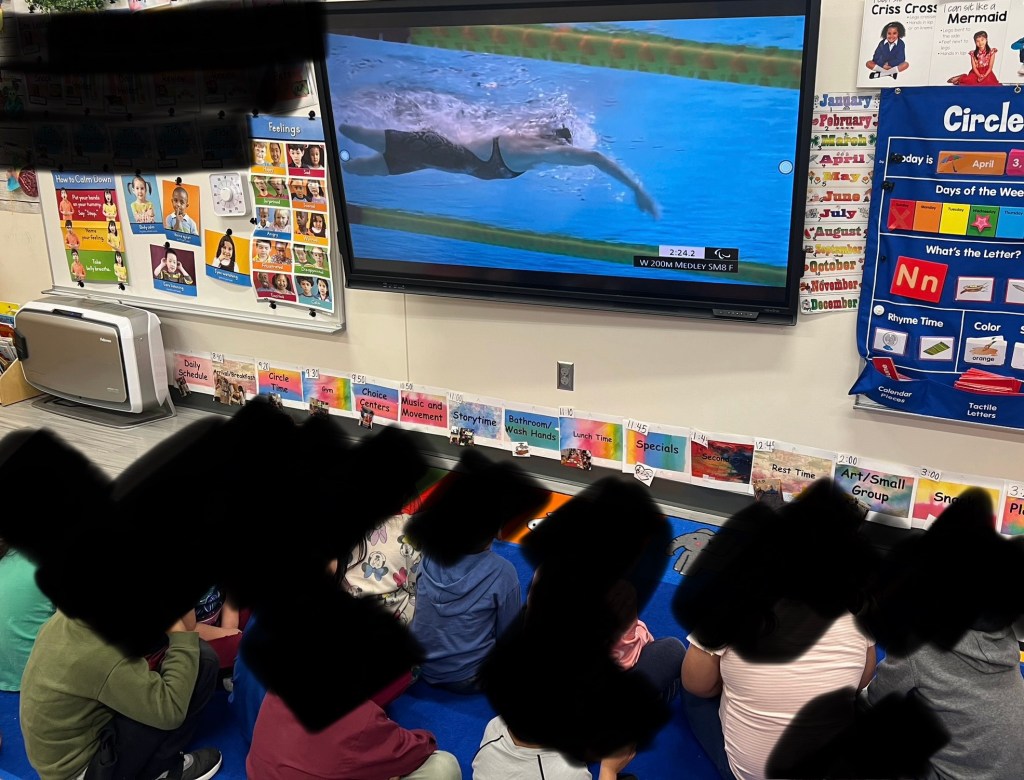
After reading, I showed students a video of Jessica Long winning Olympic gold in the Paralympic Games. One girl said, “Look! She really doesn’t have feet!” While students cheered her along and excitedly watched her win. Jessica Long was the only swimmer without feet, yet she won. She won by quite a bit! Students enjoyed the video so much that we watched it several times throughout the day.
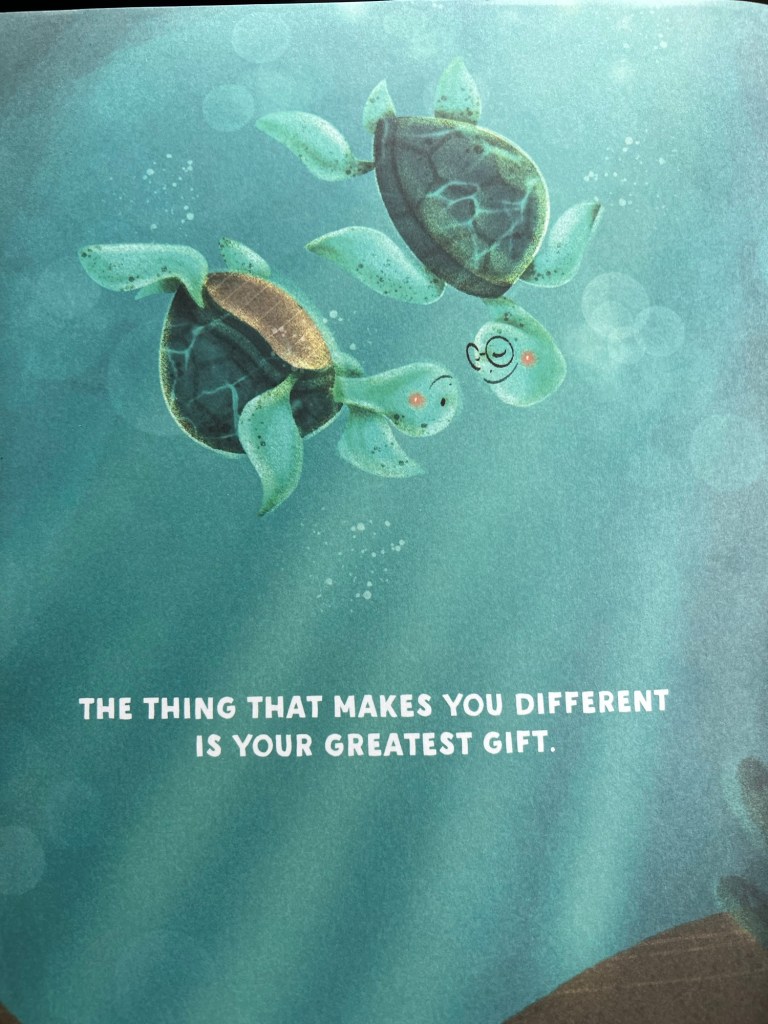
It’s so easy to fall into the trap of seeing all the ways we fall short. How things would be better if we only had x,y, and z. Jessica Long’s story reminds us that it’s not what we were given , but what we do with what we were given.


 Paint and Pages
Leave a reply to heartofgold81 Cancel reply